

What to Buy in Xiamen: 2026 Shopping Guide for Souvenirs & Gifts
Xiamen is not only a picturesque coastal tourist city but also a shopping paradise brimming with distinctive goods. From century-old traditional pastries to modern designer cultural and creative products, from rich Gongfu tea to fresh seafood and dried goods, the shopping experience here is as diverse and vibrant as its culture. This guide will help you navigate Xiamen’s most worthwhile local specialties and souvenirs, along with the best shopping spots and practical tips, ensuring you bring home precious memories steeped in Minnan charm.
I. Xiamen Specialty Products: These Are the Must-Buys!
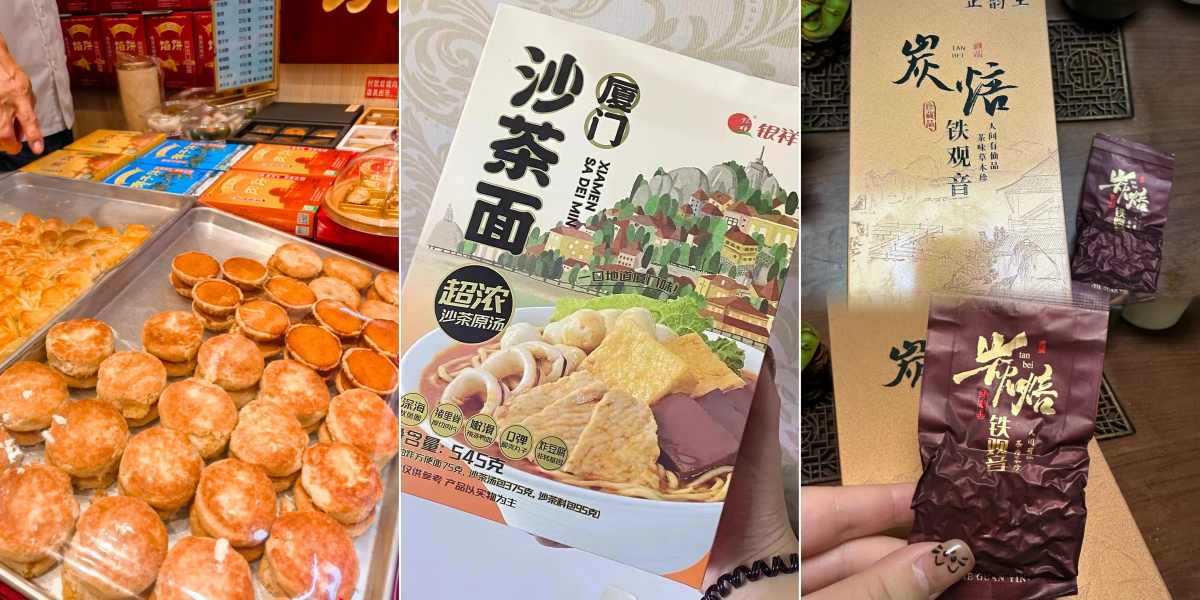
1. Xiamen Delicacies and Tea Beverages: Culinary Souvenirs for the Palate
This is the highlight of any Xiamen shopping list, perfect for sharing with family and friends back home.
Gulangyu Pastries: Undoubtedly, Xiamen’s most famous and classic souvenir. These Chinese pastries feature a crispy outer crust and a soft, fluffy filling. Traditional flavors include mung bean paste and red bean paste, while modern variations offer coconut, pineapple, and even sesame salt fillings. Renowned brands include Gulangyu Food Factory and Wang Ji. Opt for simple packaging or freshly baked versions for peak flavor.
Xiamen Instant Noodles (Satay Flavor): An interesting and portable choice. “Satay noodles” are a signature Xiamen snack, and locally produced “satay-flavored” instant noodles let you easily recreate that Xiamen taste at home. Brands like “Grandma’s Instant Noodles” or “Gulong” are popular.
Dried Seafood: As an island city, Xiamen boasts premium dried seafood. Common varieties include dried shrimp, dried scallops (yao zhu), dried fish, nori, and dried oysters. When purchasing, please pay attention to origin and drying quality; it’s best to buy from reputable markets or stores.
Fujian Tea (Oolong Tea): Fujian is the birthplace of China’s finest oolong teas. In Xiamen, you can find high-quality Tieguanyin (with a delicate, orchid-like aroma) and Dahongpao (rich in flavor with a distinct rock-like character). Visit specialty tea shops for tastings before purchasing; staff often warmly offer samples and explanations.
Meat Floss/Dried Pork: Xiamen-style meat floss (pork floss) boasts a fluffy texture that melts in your mouth, while dried pork offers a perfectly balanced sweet-salty flavor. “Huang Sheng Ji” is a long-established, highly popular brand on Gulangyu Island, often offering samples.
Fruit and Flower Products: Examples include Danfeng sorghum wine (a Taiwanese-style white liquor also common in Xiamen), dried longan, and various candied fruits.
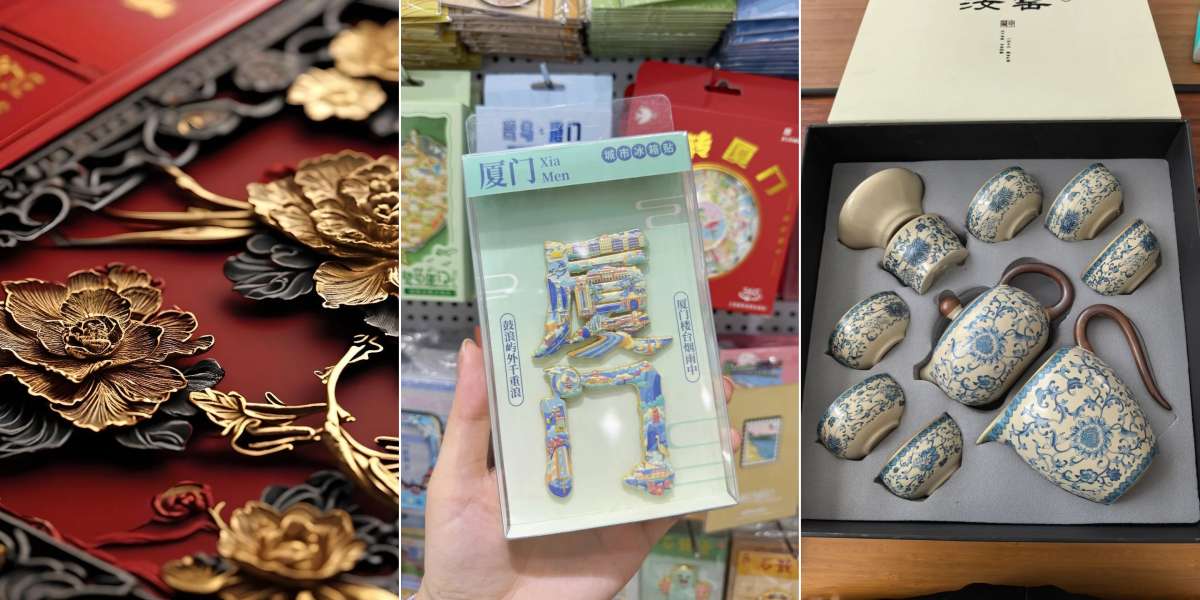
2. Handicrafts and Cultural Creative Products
These items carry richer cultural connotations and artistic value.
Lacquer Thread Carving: A nationally recognized intangible cultural heritage unique to Xiamen. This traditional craft involves winding and layering special colored lacquer threads onto wooden or porcelain bases to create exquisite relief patterns. Commonly found on Buddhist statues, figurines, and vases, these masterpieces are the top choice for high-end souvenirs.
Bead Embroidery: Another traditional Min Nan craft, this technique uses multicolored glass beads and sequins to embroider patterns onto fabric. Often found on handbags, slippers, and decorative paintings, these pieces shimmer under light, showcasing distinctive local flair.
Gulangyu-inspired Cultural Products: Artistic boutiques on Gulangyu Island and Zengcuo’an brim with modern cultural goods featuring island architecture, cats, pianos, and other local motifs. These include postcards, hand-drawn maps, canvas bags, fridge magnets, and pins—all affordably priced with charming designs.
Ceramic Teaware: Fujian’s Dehua County is China’s renowned “Capital of White Porcelain.” In Xiamen, you can purchase exquisite white porcelain teacups and teapots crafted in Dehua. Their texture is as smooth as jade, perfectly complementing local oolong tea.
3. Other Practical Recommendations
Pearl Jewelry: With Xiamen’s proximity to seawater pearl production areas, reputable jewelry stores offer well-designed pearl necklaces, earrings, and other pieces.
Chinese-Style Clothing/Cloth Shoes: In Zengcuoan or older neighborhoods, small shops sell cotton-linen blended Chinese-inspired clothing and comfortable handmade cloth shoes, each with a distinctive style.
II. Best Shopping Spots: From Traditional Markets to Artsy Districts
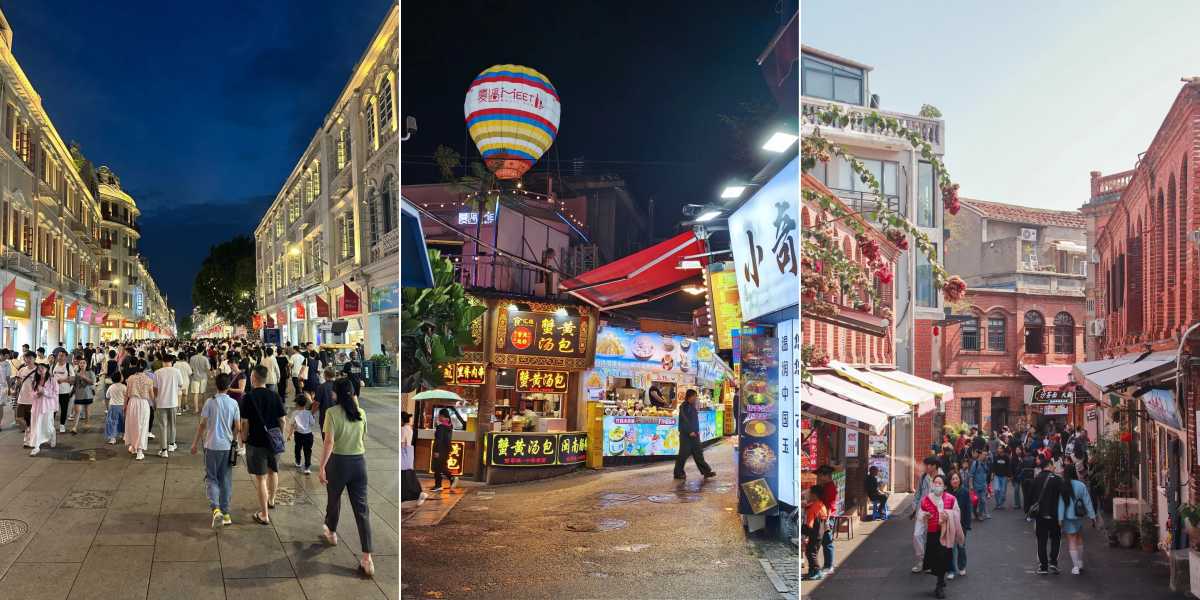
Zhongshan Road Pedestrian Street and Surrounding Old Streets:
Features: Xiamen’s busiest commercial street, distinguished by its unique arcade architecture. This is the prime location for purchasing diverse local specialties, featuring numerous time-honored pastry shops (like Huang Zehe and Ajizai), tea stores, and department stores.
Key Areas: Shops lining both sides of the main pedestrian street, plus the side streets and alleys leading to the Eighth Market (Bashi). These areas offer a more authentic local vibe and potentially better prices.
Gulangyu Island:
Features: Steeped in artistic and historical ambiance. A paradise for purchasing cultural and creative products, specialty snacks, and exquisite souvenirs. Note that prices in the core tourist areas are typically higher.
Treasure Hunting Tips: Skip the most crowded central section of Longtou Road and explore the adjacent alleys for more distinctive shops. Huang Sheng Ji Meat Jerky and Miss Zhao’s Shop (pastries, tea) are popular spots.
Zengcuoan:
Features: A former fishing village now transformed into a hub for creative youth. Shops here are younger and more personalized, perfect for purchasing creative souvenirs, handmade jewelry, original design clothing, and sampling trendy snacks.
Experience: Ideal for strolls while immersing yourself in modern Xiamen’s creative culture.
Eighth Market (Ba Shi):
Features: Xiamen’s most authentic and bustling seafood and produce market. The premier spot for fresh seafood (which can be cooked on-site at processing shops) and traditional dried goods (like dried shrimp and scallops).
Important Note: This is a local market—lively and authentic, though noisy. Visit early in the morning for the freshest goods. When buying dried goods, compare prices across multiple vendors and negotiate boldly (techniques covered later).
Large Commercial Centers:
Examples: SM City Plaza, MixC, Baolong One City.
Features: For international brands, contemporary apparel, or electronics, these modern malls deliver a standardized shopping experience.
III. Practical Shopping Tips for Foreign Visitors

Pricing and Bargaining:
Fixed-price stores: Large malls, supermarkets, chain specialty shops, and most boutique stores have fixed prices—bargaining is neither possible nor appropriate.
Places Where Bargaining Is Acceptable: Traditional markets (e.g., dried goods stalls at Ba Shi Market), some street vendors, and non-branded clothing/craft stalls. Bargaining is part of the culture in these settings.
How to Bargain: Smile warmly and ask, “Can you make it cheaper?” or “Do you offer a discount?” Typically, start by offering 70%-80% of the listed price. After one or two rounds of negotiation, reach an agreement. If the seller refuses to budge and you really want the item, that’s likely the bottom price.
Payment Methods:
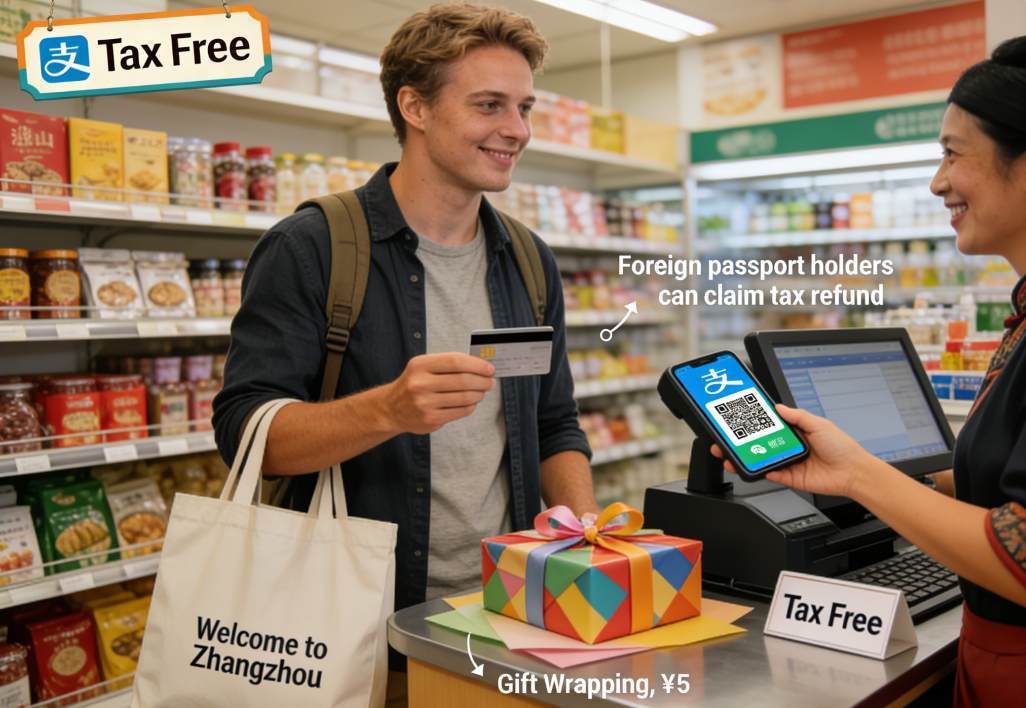
Mobile Payment Reigns Supreme: Alipay and WeChat Pay are ubiquitous in Xiamen, accepted everywhere from street vendors to large malls. Strongly recommended to set up one of these.
Cash: Still useful, especially in older markets or small stalls. Carrying some RMB cash is wise.
Credit Cards: Widely accepted in large malls, hotels, and upscale restaurants.
Identifying Quality and Authenticity:
Tea/Dried Goods: Stick to reputable specialty shops that let you inspect, smell (for tea), or even taste first. Avoid overly low prices.
Local Specialty Foods: Check production dates and expiration dates. Freshness is crucial for pastries like pies.
Handicrafts: For valuable crafts like lacquer thread carvings, ask if they come with an artist’s certificate or intangible cultural heritage certification. There’s a significant price difference between machine-mass-produced items and handcrafted ones.
Logistics and Customs:
Mailing Services: For bulk or heavy items (like tea or books), use China Post or couriers (e.g., SF Express) to ship directly home. Many large malls or specialty shops offer this service.
Customs Regulations: Before departure, verify your home country’s import rules for food, tea, and animal/plant products to avoid purchasing prohibited items.

4. Shop Like a Local in Xiamen
Shopping in Xiamen is far more than a simple transaction. It’s an immersive cultural experience—tasting tradition in century-old shops, feeling the bustling energy of street markets, and discovering modern creativity in artistic alleys.
The best approach? Blend shopping with city exploration. While touring Gulangyu Island, hunt for unique cultural crafts. At the bustling Ba Shi Market, stock up on dried seafood delicacies. Along Zhongshan Road, soak in history while grabbing a few boxes of classic pastries.
Remember, the most precious souvenirs often come with a unique story: the friendly haggling with a vendor, that fragrant cup of Tieguanyin tea brewed by a tea master, or that one-of-a-kind handmade piece you simply can’t put down.
May your shopping bags overflow in Xiamen, and your memories overflow even more!
Latest Articles:
- Quanzhou Attractions: UNESCO Sites & Hidden Gems for Foreigners
- How Many Days in Quanzhou? 1, 2, 3, & 4-Day Itinerary Guide
- Quanzhou vs Xiamen: Which City Should You Visit? | Full Comparison
- Quanzhou Travel Guide: Maritime Silk Road, Temples & Food
- How to Get from Zhangzhou Ancient City to Tulou: Transport Guide

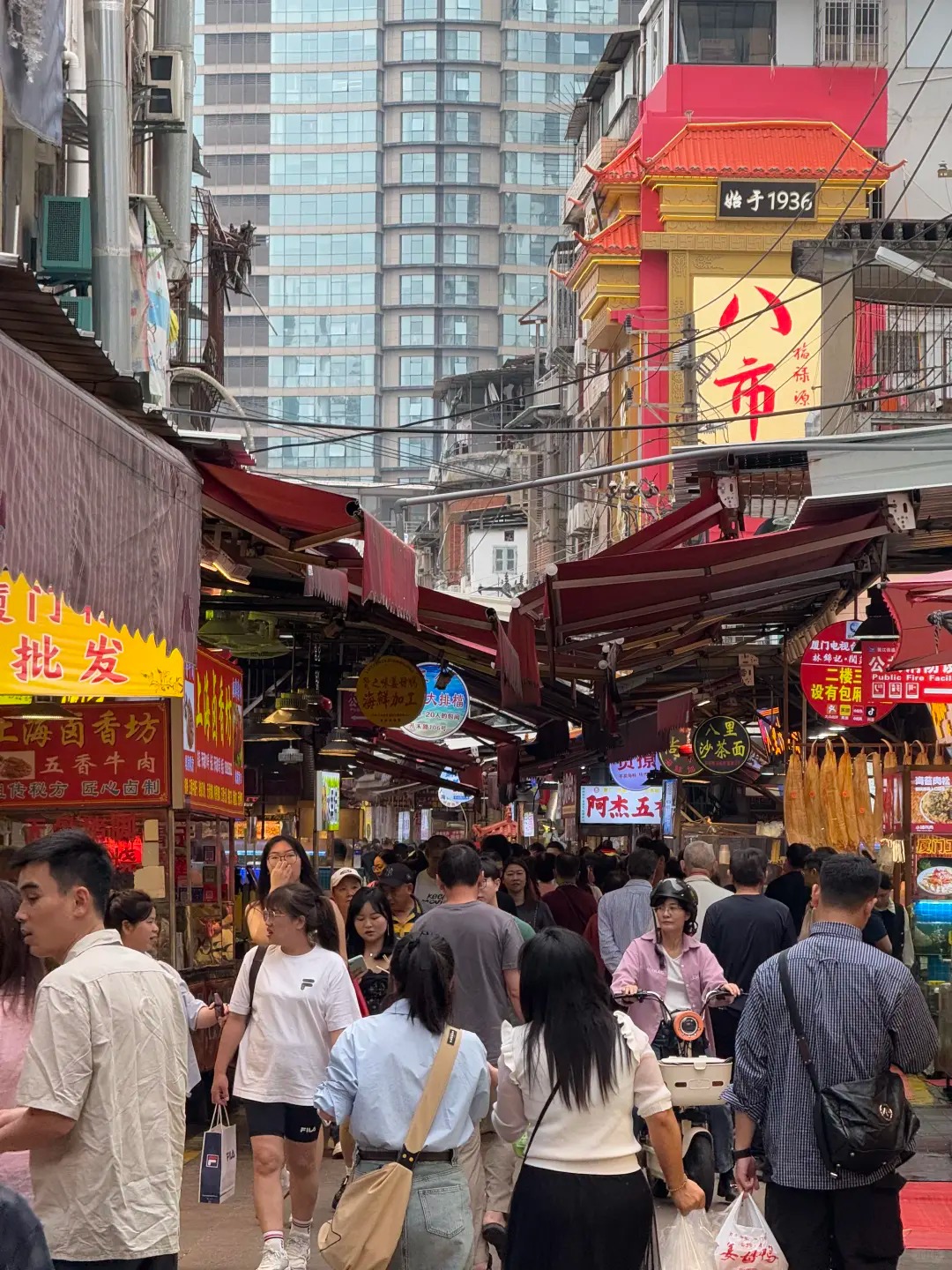

Zhongshan Road’s souvenir stalls sell the same keychains and fans as every Chinese city. Here’s what’s actually worth bringing home: Xiamen-style馅饼 (pie) from Aji on Dahai Road—not the gift boxes, but the fresh ones baked daily, flaky taro or绿豆 fillings, ¥15 for eight. Tea from Bashi Market’s second floor—find the grandmother with scales, taste rock tea before buying, prices 70% less than tourist shops. For something unique: hand-painted bric-a-brac tiles from Gulangyu’s back alley studios, depicting old island villas. And dried seafood from Bashi—scallops, shrimp, seaweed—packed in bags, not boxes, easy to carry. Pro tip: bring empty luggage space and bubble wrap. Everything authentic is fragile, edible, or both.