
Xiamen transportation Travel :Complete 2026 Transportation Guide
Xiamen Transportation Guide
Xiamen is a beautiful coastal city comprising Xiamen Island, Gulangyu Island, and the surrounding mainland areas. For visitors, understanding how to navigate Xiamen efficiently is key to fully enjoying this “Garden on the Sea.” Whether you plan to explore Gulangyu’s historic architecture or stroll along the coastal road to catch the sea breeze, this transportation guide will help you effortlessly plan your itinerary.
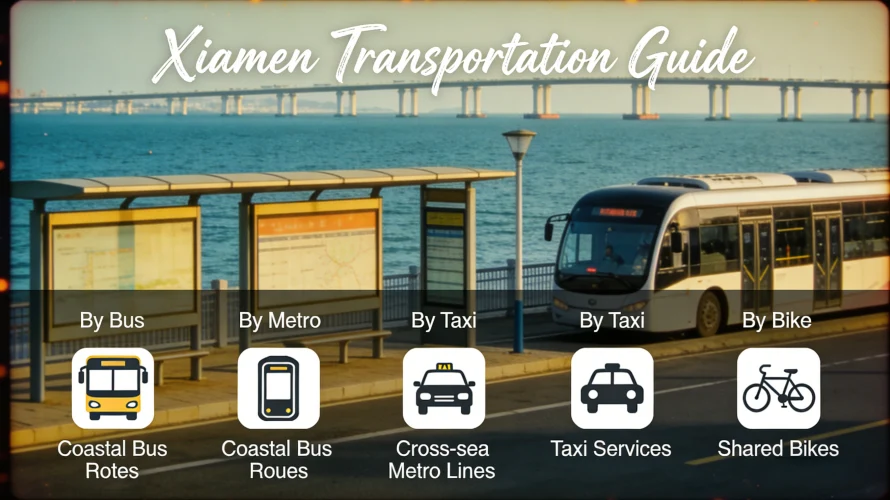
Xiamen Transportation Overview
Xiamen boasts a highly developed public transportation system, encompassing subways, buses, taxis, shared bicycles, and ferries. Most modes of transport support mobile payments, though carrying some cash remains a wise choice for foreign visitors. Below, we provide a detailed introduction to each transportation option, complete with practical tips.
Detailed Guide to Xiamen’s Main Transportation Options
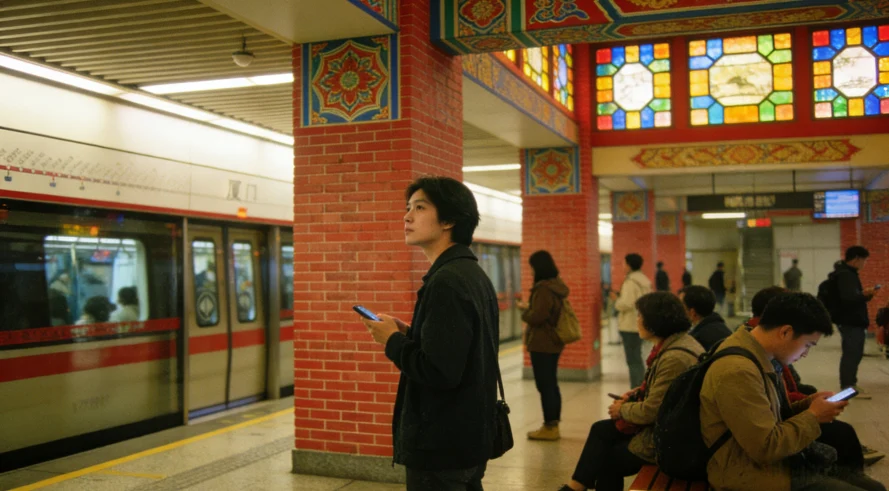
1. Subway
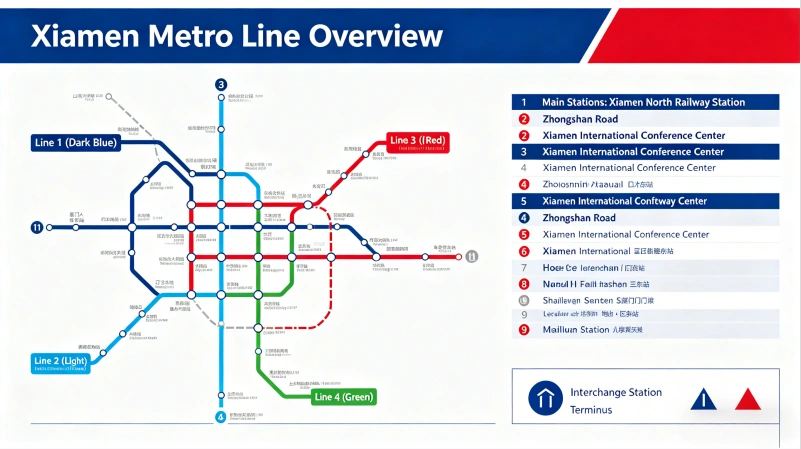
Xiamen currently operates two subway lines (Line 1 and Line 2), with further expansion planned. The subway offers a fast, comfortable, and traffic-free alternative.
Coverage: Line 1 connects Zhongshan Road, Xiamen North Railway Station, Jimei University Town, and more; Line 2 serves Haicang, Wuyuan Bay, and surrounding areas.
Ticket Purchase: Single-journey tickets can be bought at automated ticket machines (accepting cash and mobile payments). Alternatively, use mobile ride codes (e.g., Alipay or WeChat ride codes, requiring a linked Chinese payment method) or purchase an Xiamen Transport Card (eTong Card) for direct tap-and-go access.
Fare: Base fare is 2 yuan, with additional charges based on distance traveled.
Tips: All stations feature bilingual signage in Chinese and English, and station announcements are made in both languages, so you won’t get lost. Expect crowding during peak hours.
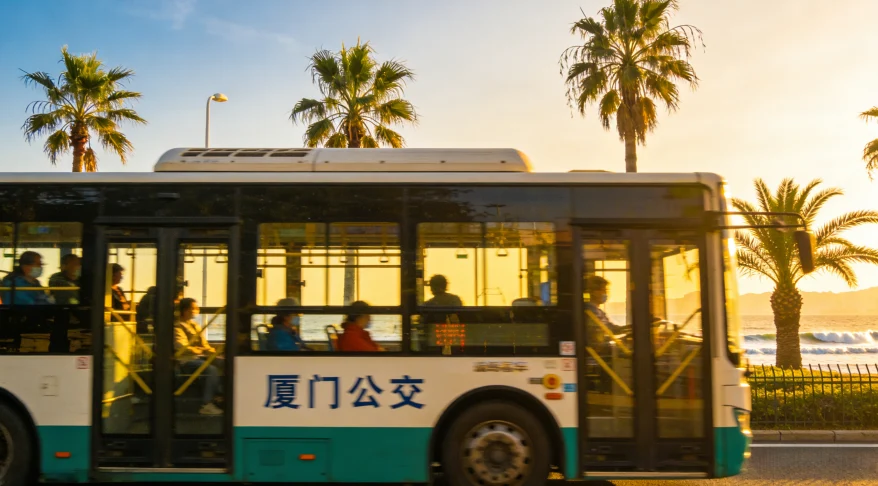
2. Buses
The bus network covers the entire city and is a convenient way to reach attractions not served by the subway, such as Zengcuo’an and Xiamen University.
How to Ride: Buses typically operate with either a conductor or unmanned ticketing. Unmanned buses require coin payment (usually ¥1 or ¥2) or card/QR code scanning; buses with conductors have onboard fare collection.
Payment Methods: Cash, eTong Card, mobile ride codes (e.g., Alipay or WeChat’s “Ride Code” mini-program).
Notes: Bus stops usually display station names in both Chinese and English, though some routes may only show Chinese. Use mobile maps (e.g., Google Maps, Amap) to check real-time bus information.
Tip: Most buses in Xiamen are relatively new, air-conditioned, and comfortable. However, expect congestion during morning and evening rush hours.
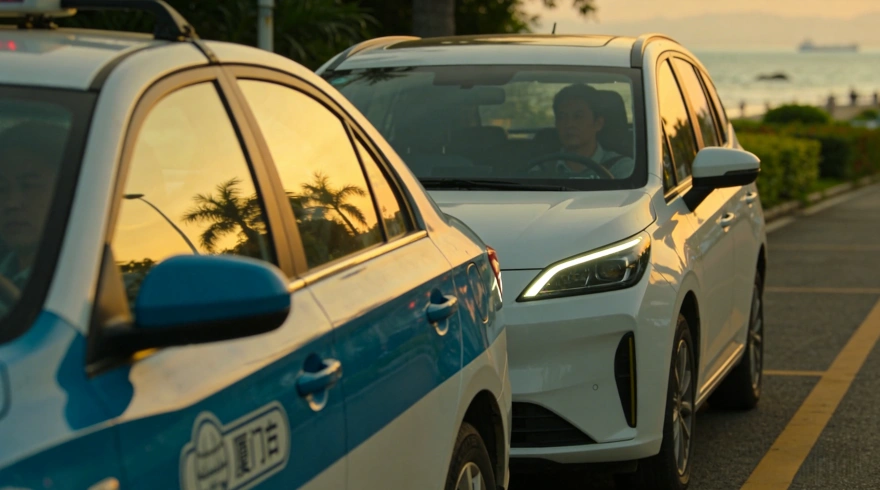
3. Taxis and Ride-Hailing Services
Taxis and ride-hailing services offer flexible and convenient options, particularly suited for travelers in groups or with luggage.
Taxis: Xiamen taxis are typically green or blue. The base fare is 10 yuan (covering the first 3 kilometers), with an additional 2 yuan per kilometer thereafter. Nighttime surcharges apply from 11 PM to 5 AM. Taxis can be hailed on the street or booked via ride-hailing apps.
Ride-Hailing Services: Didi Chuxing is China’s most popular ride-hailing app, similar to Uber. Download Didi Global (supports English interface and international credit cards) or ask your hotel/locals to book for you.
Communication Tip: Have your destination’s Chinese name or address ready, or point it out on a map. Most drivers speak limited English.
Note: Taxis may be scarce during peak hours or in rainy weather, and prices may be dynamically adjusted.
4. Bicycles & Shared Bikes
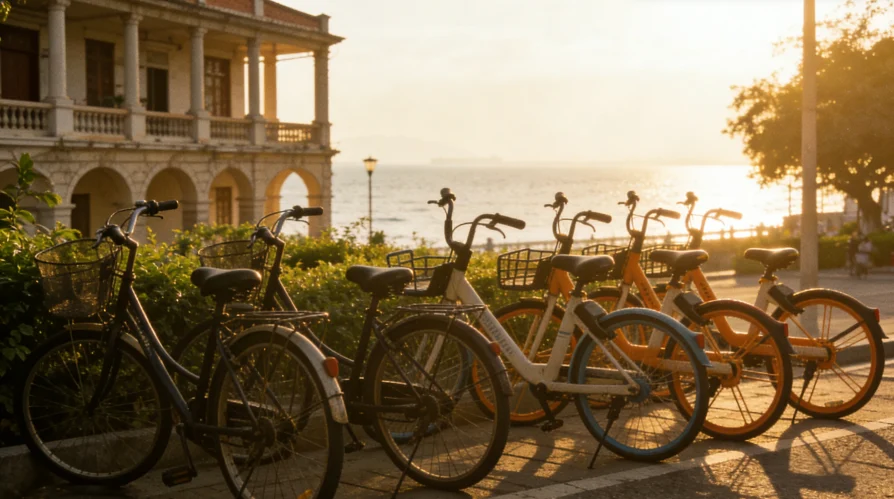
Xiamen’s relatively flat terrain and widespread bike lanes make cycling a popular way to explore, especially along the coastal Ring Road.
Shared Bikes: Shared bikes like Meituan Bike and Hello Bike are ubiquitous on the streets of Xiamen. Download the corresponding app (Meituan or Hello Bike), register with your phone number, pay a deposit (or use credit-based deposit-free options), then scan the QR code to unlock and ride. Fees typically range from 1-2 RMB per hour.
Important Notes: Shared bikes must be parked at designated parking points (P points), or you may incur relocation fees. Parking zones are displayed on the app.
Recommended Cycling Route: The coastal road (from Baicheng Beach to the Convention and Exhibition Center) is a classic cycling route offering stunning scenery along the way.

5. Walking
Many attractions in Xiamen are concentrated in the old city area, such as Zhongshan Road, Ba Shi Market, and Shapowei, making them ideal for exploring on foot. Gulangyu Island completely prohibits motor vehicles, allowing only pedestrian access.
Recommended walking areas:
Zhongshan Road Pedestrian Street: A commercial walkway where you can shop and enjoy street snacks simultaneously.
Gulangyu Island: Entirely pedestrian-only; comfortable shoes are recommended.
Xiamen University and Surroundings: Combine visits to the campus and Nanputuo Temple.
Shapowei: An artsy neighborhood perfect for strolls and photography.

6. Ferry
The ferry is the only public transportation to Gulangyu Island and offers a great opportunity to experience Xiamen’s coastal scenery.
Routes: Most visitors depart from Xiamen Cruise Terminal (Xiamen Island) to either Sanqiutian Pier or Neicuo’ao Pier on Gulangyu. Night ferries also operate from the Ferry Terminal (suitable for evening travel).
Ticket Purchase: Booking is mandatory via the official WeChat mini-program “Xiamen Ferry+” or website. Tickets may sell out on-site (especially during peak season). Tickets are round-trip and valid for 20 days (return trips can be taken anytime within 20 days from Gulangyu).
Fares: Standard tickets cost 35 RMB/person, while deluxe tickets range from 50-60 RMB/person. The journey takes approximately 20 minutes.
Tip: Arrive at the pier at least 30 minutes early for security checks and ticket verification. For return trips, either pier on Gulangyu can be used, with frequent departures.
7. BRT (Bus Rapid Transit)
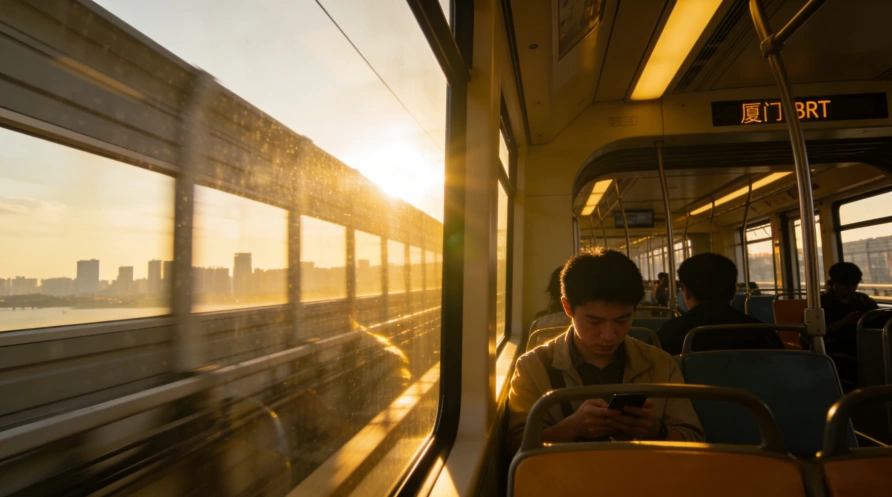
Xiamen features a unique BRT system where buses operate on dedicated elevated lanes, bypassing ground traffic congestion for faster travel.
Routes: BRT connects areas both on and off Xiamen Island with multiple lines.
Ticket Purchase: Tickets can be bought at ground-level ticket windows or vending machines (cash or QR code payment), or by tapping an eTong card.
Fare: Based on distance, typically 1-5 RMB.
Tip: BRT is an excellent way to bypass traffic jams. Consider using it when traveling to Jimei University Town or Xiamen North Railway Station.
8. Airport Transportation
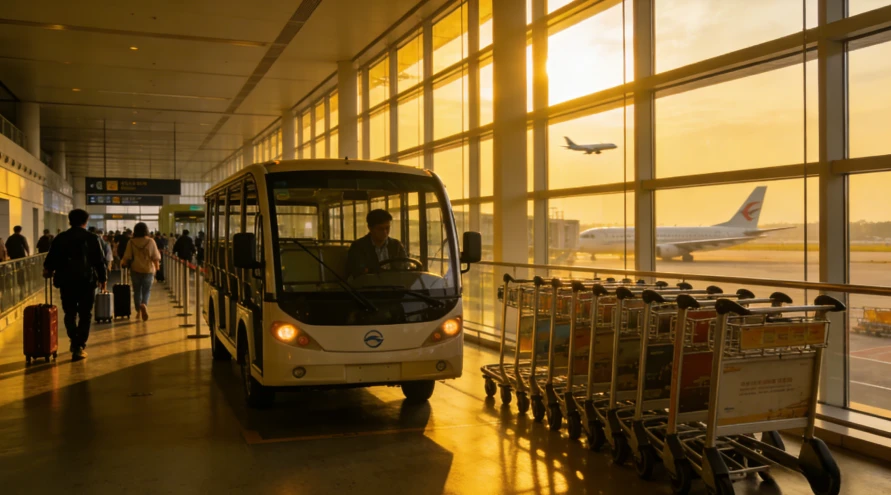
Xiamen Gaoqi International Airport is located in the northern part of Xiamen Island, offering convenient access to the city center.
Subway: Line 1 provides direct service from the airport to downtown areas (including Zhongshan Road and Xiamen North Railway Station).
Airport Bus: Multiple routes serve major downtown locations and surrounding cities. Fares range from 10 to 20 RMB. Purchase tickets outside the arrivals hall before boarding.
Taxi/Ride-Hailing: Travel time to downtown areas (e.g., Zhongshan Road) is approximately 30-40 minutes, costing around 40-50 RMB.
Practical Travel Tips for Xiamen Transportation
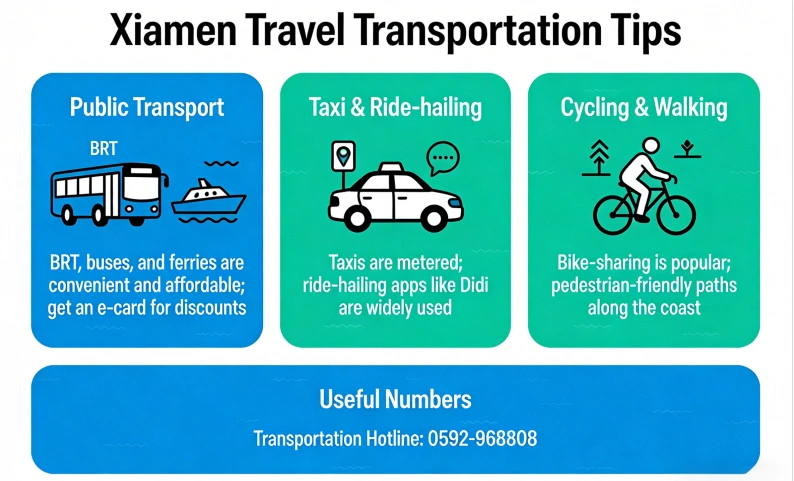
Transportation Card (eTong Card): Purchase an Xiamen eTong Card (available at airports, subway stations, and convenience stores) to ride subways, buses, BRT, ferries (select routes), and even make purchases at convenience stores. This eliminates the hassle of carrying change. Unused balances can be refunded upon card return (available at select locations).
Recommended Mobile Apps:
Maps & Navigation: Google Maps (International Edition), AutoNavi, Baidu Maps.
Ride-Hailing: DiDi Chuxing (International Edition available for download).
Bike Sharing: Meituan, Hello Bike.
Ferry Tickets: Xiamen Ferry+ (WeChat Mini Program; may require WeChat Pay. Foreign visitors may ask for assistance or inquire on-site).
Payment Methods: While mobile payments are ubiquitous in China, foreign visitors should carry some cash (RMB) for emergencies. Many places accept international credit cards (Visa/Mastercard), but street vendors and some taxis may only accept cash or local mobile payments.
Language: Most traffic signs include English, but bus drivers and taxi drivers generally have limited English proficiency. It’s best to prepare the Chinese name and address of your destination in advance, either written on paper or saved on your phone.
Safety: Xiamen has excellent public safety, but remain vigilant about personal belongings in crowded areas (e.g., buses, night markets).
Weather: Summers in Xiamen are hot and rainy; remember sun protection and bring an umbrella. Winters are mild but windy from the sea; dress appropriately.
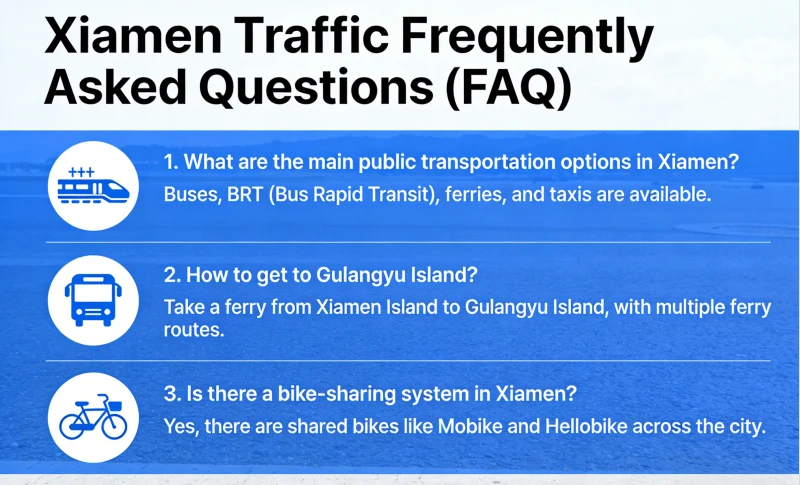
Xiamen Transportation FAQ
Q: What’s the most convenient way to get from Xiamen Airport to the city center?
A: The most convenient option is taking Metro Line 1, which directly connects to downtown areas like Zhongshan Road. Alternatively, you can choose airport buses or taxis/ride-hailing services.
Q: Do I need to purchase ferry tickets to Gulangyu Island in advance? How can I buy them?
A: We strongly recommend purchasing tickets ahead of time, especially during holidays and weekends. Tickets can be purchased via the official WeChat mini-program “Xiamen Ferry+” or through your hotel staff. Tickets may be available at the on-site ticket window, but they often sell out during peak times.
Q: Are taxis expensive in Xiamen?
A: Xiamen taxis have a base fare of 10 yuan, which is very affordable compared to European and American cities. Short trips usually cost around 10-20 yuan. Ride-hailing services are similarly priced but may apply dynamic pricing during peak hours.
Q: Can I pay cash on Xiamen buses? Do I need exact change?
A: Yes, buses generally accept cash, but it’s best to have exact change as unmanned buses don’t provide change. Fares are typically 1 or 2 yuan.
Q: How do I use shared bikes in Xiamen? Which app should I download?
A: Download the app of a bike-sharing company like Meituan (Meituan Bike) or Hello Bike (Hello Bike). After registering and paying a deposit (or using a credit-based deposit exemption), scan the QR code to ride. Remember to park in designated areas (P points).
Q: Does Xiamen Metro have English announcements? Are they easy to understand?
A: Yes, Xiamen Metro provides bilingual Chinese-English announcements, and station signage includes English, making it very convenient for foreign visitors.
Q: What mobile maps do you recommend for getting around Xiamen?
A: Google Maps works on international phones, but its real-time transit and traffic updates may be less accurate than local maps. We suggest also downloading AutoNavi or Baidu Maps, which offer English interface options (for some features).
Q: Which ferry terminal connects downtown Xiamen to Gulangyu Island?
A: During daytime (approx. 7:00-18:00), visitors typically depart from the “Xiamen-Gulangyu Ferry Terminal” at Dongdu Cruise Center. After 18:00, you can depart from the “Ferry Terminal” near Zhongshan Road. Refer to your ticket for specific departure points.
Q: Which is faster in Xiamen: BRT or subway?
A: Both are fast. BRT runs on elevated bridges without traffic lights; the subway operates underground. They cover different areas, so choose based on your destination. The subway is less affected by the weather, while the BRT offers cityscape views.
Q: Is it safe to ride a bicycle in Xiamen?
A: Xiamen has dedicated bike lanes, especially along scenic routes like Huan Dao Road, making cycling safe. However, in busy urban areas, maintain a distance from motor vehicles and pedestrians while obeying traffic rules.
Related Reading:
- Xiamen Travel Guide 2026: Top 10 Attractions + 3-Day Itinerary
- xiamen 3 day itinerary
- What food is famous in Xiamen?
- 2026 Top Spots on the Xiamen Mountain-Sea Trail: Spiral Slope & Coastal Views
- Xiamen Gulangyu Island One Day Itinerary Your Perfect 2026 Guide & Map
- Which month is best to visit Xiamen




Yellow taxis often refuse short trips or demand cash. Didi (China’s Uber) solves everything. Download app, link international credit card, and choose “Express” for cheapest rides. From airport to downtown: taxi ¥60, Didi ¥45. For Gulangyu ferry terminal, set destination to “Xiamen International Cruise Center.” Peak hours add “Priority” for faster pickup. Warning: during rain or 5 PM rush, surge pricing doubles—take Metro instead.
Xiamen buses cost ¥1 and go everywhere, but route numbers confuse tourists. Download Amap (Gaode Maps) —it shows real-time bus positions and next stop announcements in English. Key routes: B3 along Island Ring Road (beach views), 29 to Zengcuo’an village. Avoid buses 5-7 PM when locals commute—packed like sardines. Always enter through front door, tap QR code or drop coins. No change given, so carry small bills.
Xiamen’s Metro Line 1 and 2 are lifesavers. Line 1 runs from Xiamen North Station (high-speed rail) to downtown in 45 minutes—costs ¥7 instead of ¥100+ taxi. The stretch between Jimei and Gaogi runs above ground, offering stunning sea views like Japan’s train scenes. Pro tip: download Alipay and activate Xiamen transport QR code—scan to enter, no ticket buying. Line 2 reaches Wuyuan Bay and Haicang. By 2026, check if Line 4 (airport connection) is fully open.
I wasted my first two days in Xiamen fumbling with taxi apps and bus change. Then a local showed me the secret: download Alipay, search “Xiamen Metro QR code,” and link your credit card. Scan at any Metro gate – no ticket machine, no language barrier. The Metro (Lines 1, 2, and soon 3) covers 90% of tourist spots. For Gulangyu ferry, take Line 2 to Luxun Park Station – 10-minute walk to the terminal, no traffic. For short trips under 2 km, use Didi (China’s Uber) – never hail street taxis, which often refuse or overcharge. One more trick: buses cost ¥1 and are great for Island Ring Road, but download Amap (Gaode Maps) for real-time English bus tracking. Google Maps is unreliable here. For 2026, the airport will connect via Metro Line 3 – skip expensive taxis entirely. Master the scan-and-go system, and you’ll move like a local.