

What to Do in Xiamen: Your Complete 2026 Travel Guide & Itinerary
Xiamen Travel Guide: What to Do in Xiamen? A Complete Guide to Attractions, Culture, and Experiences
Xiamen is a dazzling pearl on China’s southeastern coast, renowned for its pleasant climate, architecture blending Chinese and Western styles, leisurely pace of life, and rich cultural heritage. For first-time foreign visitors, Xiamen offers a surprisingly diverse range of experiences—from exploring tranquil, car-free islands to strolling through art-infused fishing villages; from savoring unique seafood snacks to immersing in the rich Min Nan tea culture.
This guide systematically outlines the most worthwhile activities in Xiamen, helping you plan a perfect journey to deeply appreciate the charm of this “Garden City by the Sea.”
Exploring Xiamen’s Islands and Cultural Heritage
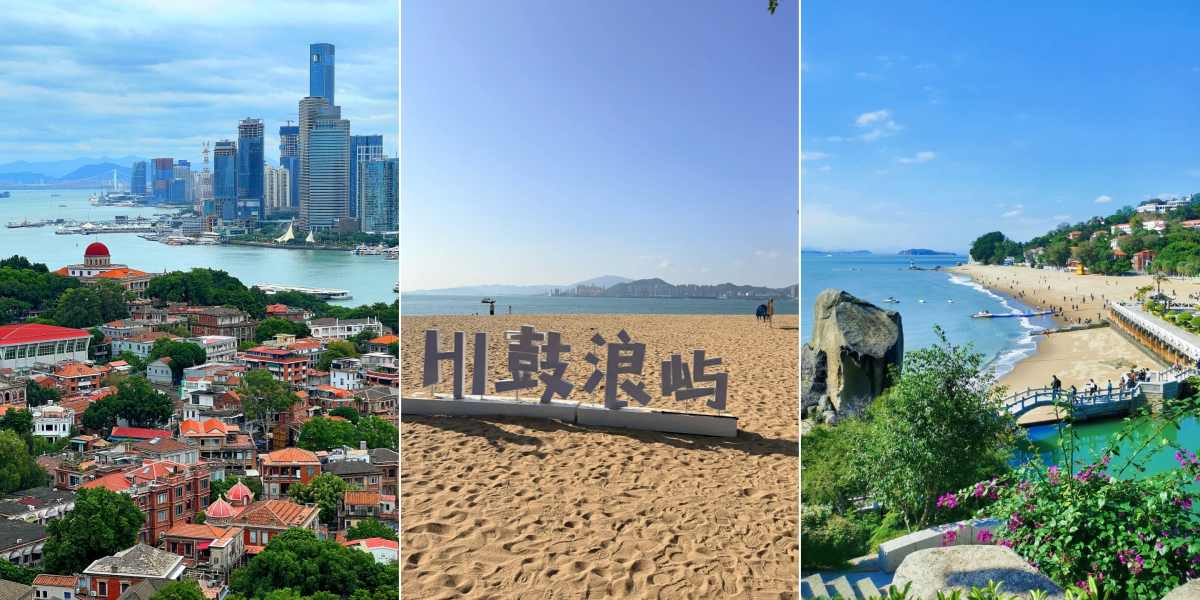
1. Get Lost on Gulangyu: An Island of International Architecture and Music
Gulangyu stands as the absolute heart of any Xiamen journey. This small island southwest of Xiamen Island, once home to numerous foreign consulates and expatriate communities, boasts over a thousand villas and buildings in diverse architectural styles, earning it the title of “International Architectural Museum.” Motorized vehicles are prohibited on the island, with the only modes of transport being your own two feet or electric sightseeing carts.
On Gulangyu, you can:
Explore historical charm on foot: No need for a strict map—simply wander through alleys like Longshan Road and Fujian Road to admire old villas blending South Seas, European, and Minnan styles. Key buildings include Bagua Lou (Organ Museum), Haitian Hall, and Huang Rongyuan Hall.
Climb Sunlight Rock: The island’s highest point. Ascend for about 15-20 minutes to the summit for a 360-degree panoramic view of the entire island, Xiamen cityscape, and the sea. The scenery is especially spectacular at sunrise or sunset.
Experience garden artistry at Shuzhuang Garden: A private garden facing the sea, ingeniously incorporating the ocean into its landscape. The on-site Piano Museum houses numerous antique pianos, aligning with the island’s reputation as the “Island of Music.”
Relax on the Beach:
Gangzihou Beach and Da De Ji Beach are the island’s two main sandy shores, perfect for strolling, ocean viewing, and even swimming during summer.
Practical Tips: Purchase ferry tickets in advance through official channels (e.g., the “Xiamen Ferry+” mini-program) from Xiamen Cruise Center’s Xiagu Pier to either Sanqiutian Pier or Neicuo’ao Pier on Gulangyu. Sanqiutian Pier is closer to the core scenic area. Retain your ticket for return travel (valid for 20 days) – board at any pier at any time, typically arriving at Xiamen Ferry Terminal near Zhongshan Road.
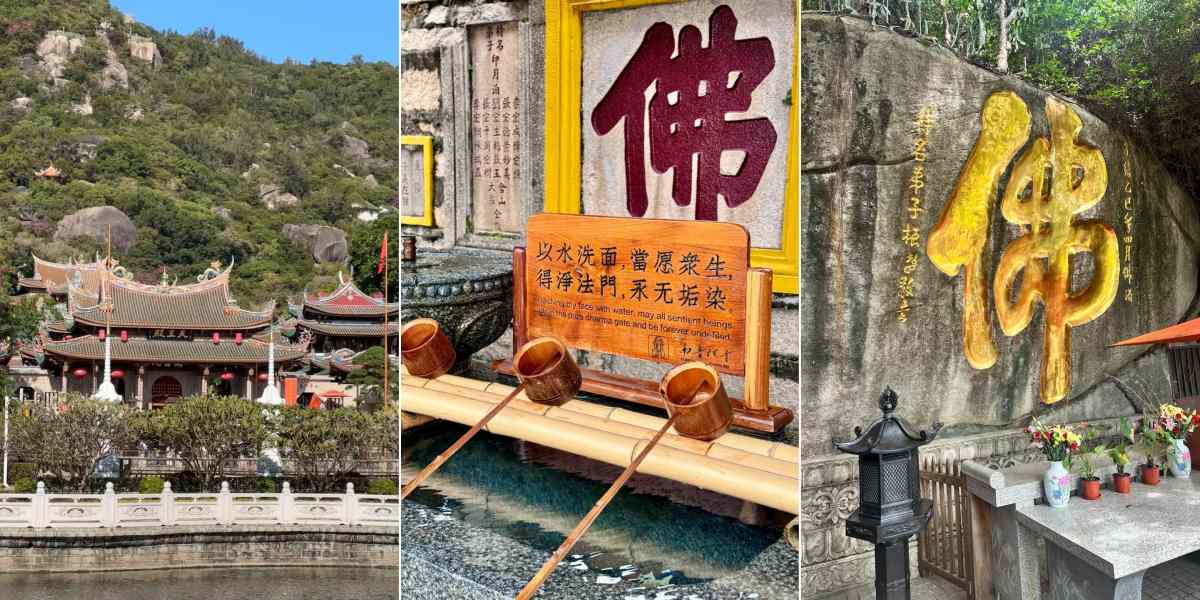
2. Experience the Serenity of Nanputuo Temple and Southern Fujian Buddhist Culture
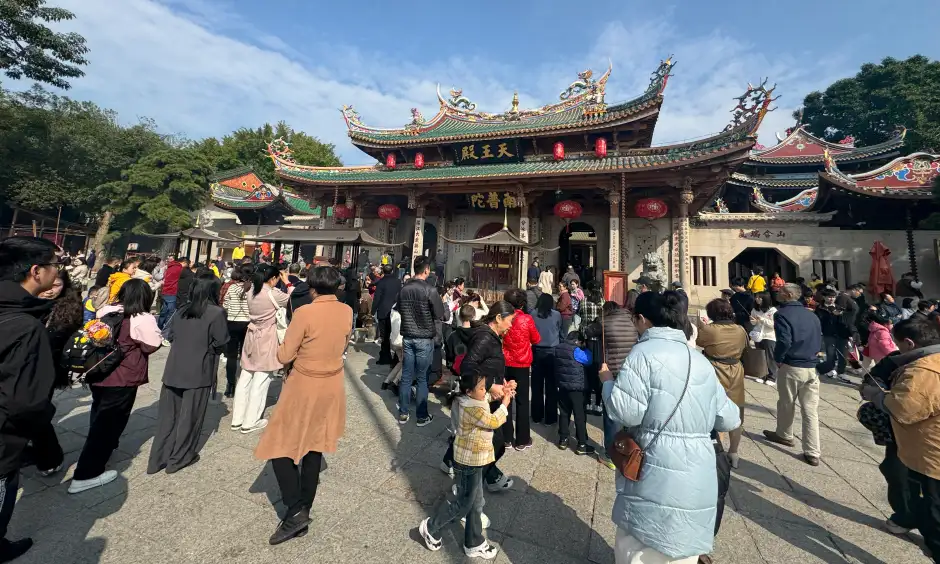
Nestled at the foot of Wulao Peak in southeastern Xiamen Island, Nanputuo Temple stands as one of Fujian’s most renowned Buddhist monasteries. Though bustling with devotees, it maintains an orderly and solemn atmosphere.
Here you can:
Explore the temple complex: Follow the central axis to tour the Heavenly Kings Hall, Great Hero Hall, Great Compassion Hall, and Sutra Repository, admiring the intricate roof carvings and upturned eaves characteristic of Southern Fujian temples.
Savoring renowned vegetarian cuisine: The temple’s vegetarian restaurant is celebrated for its exquisite dishes, particularly the “Golden Lotus of the South Sea” and “Putuo Vegetarian Pastries.” Well worth trying.
Climb for panoramic views:
Behind the temple lies Wulao Peak. A roughly one-hour hike leads to the summit viewing platform, offering unparalleled vistas of Xiamen University and the entire Xiamen Bay.
Practical tips:
Admission is free. Please dress modestly when entering halls (avoid shorts and spaghetti-strap dresses). Photography is generally prohibited inside the temple.
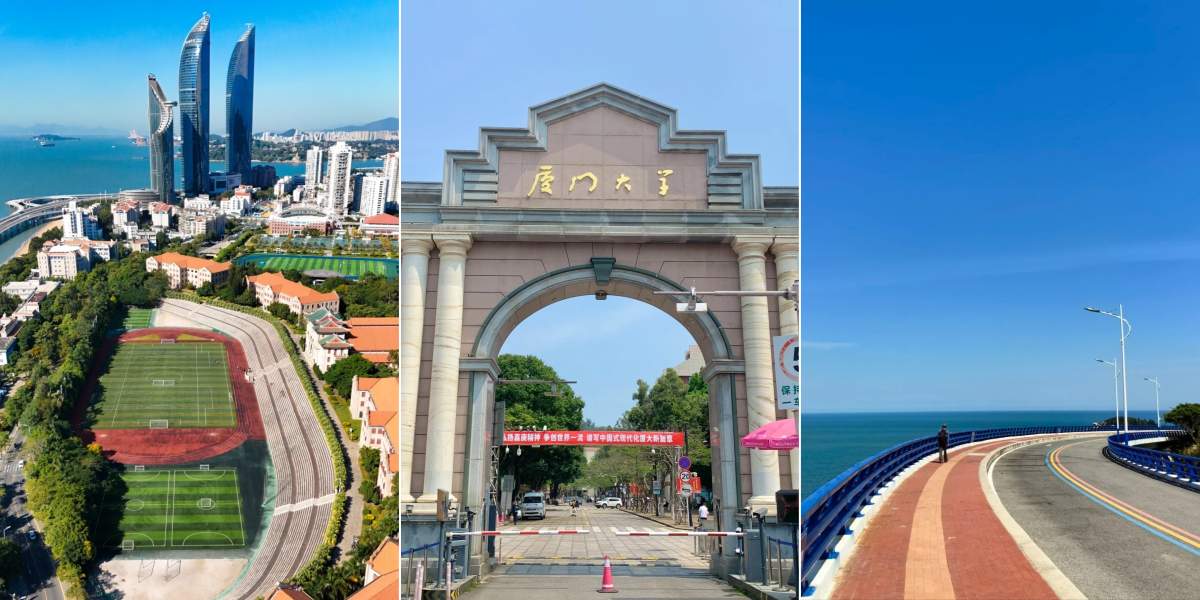
3. Stroll through Xiamen University and Huan Dao Road
Xiamen University: Hailed as one of “China’s most beautiful universities.” The campus features lush greenery and distinctive Kang-style architecture (built by renowned overseas Chinese figure Tan Kah Kee, characterized by the fusion of Chinese-style roofs with Western-style buildings). Key attractions include Furong Lake, Song’en Building, and the Furong Tunnel (adorned with creative student graffiti).
Note: Visitor policies are subject to change. Always verify official requirements for reservations and procedures before visiting.
Huan Dao Road: This scenic coastal boulevard stretches over 30 kilometers. The best way to experience it is by renting a bicycle. Along the route, you’ll pass by Baitang Beach, Hulisanshan Battery (where you can watch Qing Dynasty military drills and see the world’s largest surviving coastal cannon), Zengcuo’an, Music Square, and Huangcuo Beach. The sea breeze, palm trees, sandy shores, and wooden boardwalks create a perfect leisurely scene.
Xiamen: Art, Creativity, and Everyday Life
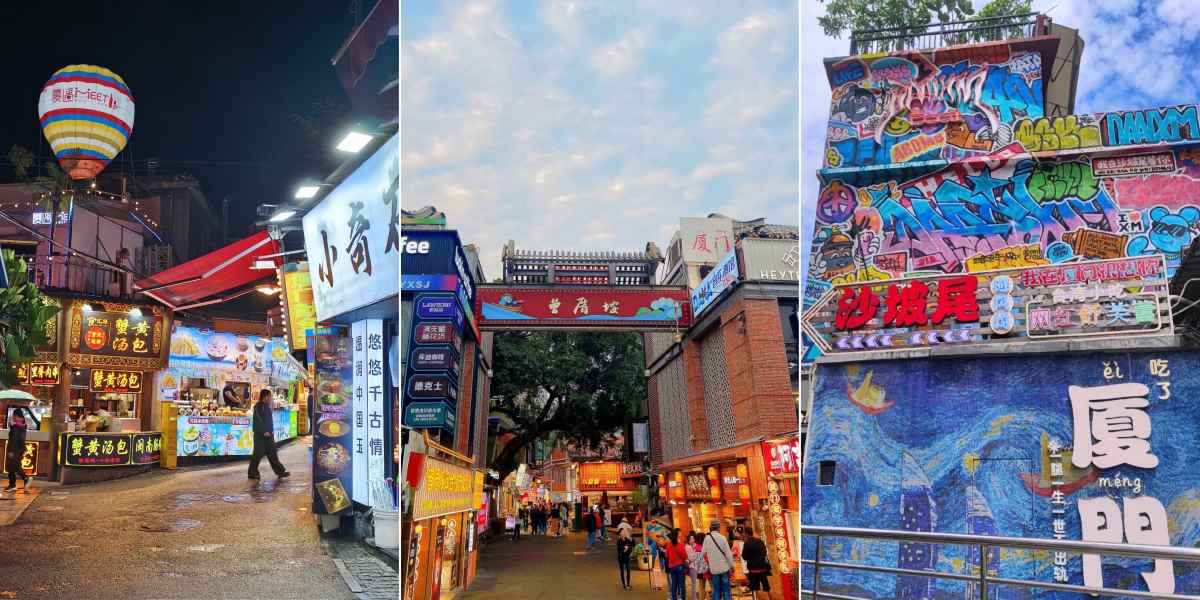
4. Discovering Artistic Fishing Villages: Zengcuoan and Shapo’wei
Zengcuoan: Once a humble fishing village, it has transformed into a vibrant cultural and creative leisure district. Narrow alleys are packed with unique guesthouses, cafes, small bars, creative boutiques, and countless snack stalls. This is the perfect spot to sample street snacks like bamboo shoot jelly and oyster omelette, or shop for distinctive souvenirs—especially lively at night.
Shapowei: Located near Xiamen University, this area marks the origins of Xiamen Port. Today, the old shipyard and sheltered harbor have been transformed into the Art West District, hosting numerous art studios, design shops, trendy boutiques, and regular markets. With a distinctly modern artistic vibe, it offers a window into Xiamen’s youthful creative culture.
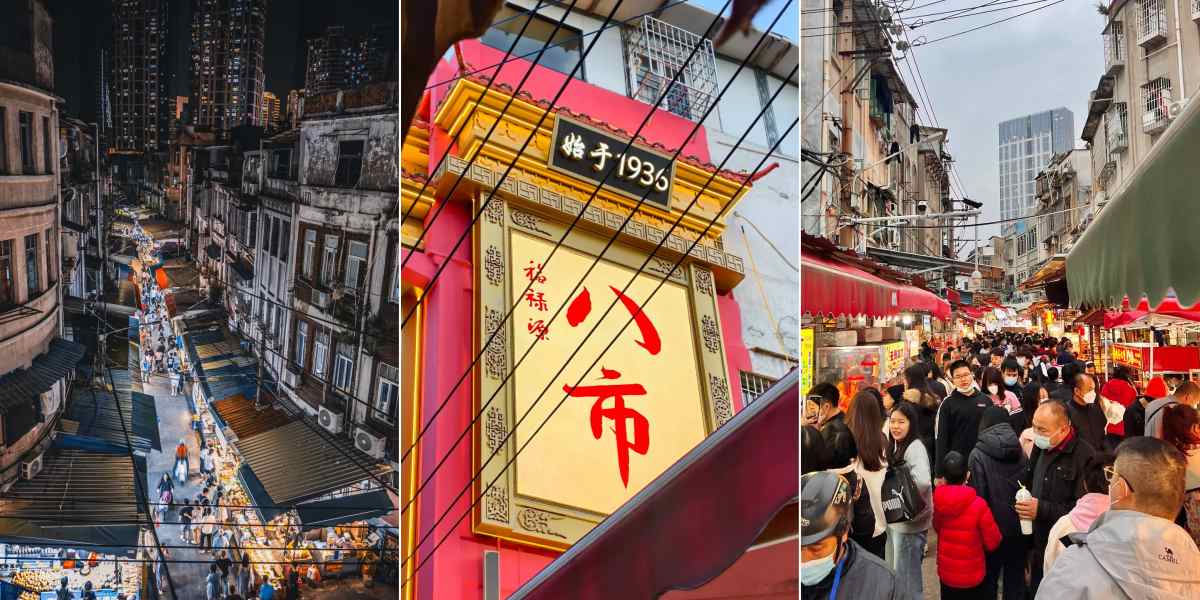
5. Immerse Yourself in Ba Shi: Experience Xiamen’s Most Authentic Local Flavor
Ba Shi Market (Eighth Market) is Xiamen’s oldest and largest seafood and agricultural market. For visitors, it’s not just a place to buy seafood but a sensory feast of sights, sounds, and smells.
At Ba Shi Market, you can:
Browse like a local: Explore the dazzling array of seafood, fruits, dried goods, and local snacks.
Sample authentic street food: Discover highly recommended eateries hidden within and around the market, such as A Jie Five-Spice, Zhong Lijun’s Pan-Fried Cakes, and Huiyuan Bakery.
Experience seafood preparation: Purchase fresh seafood and take it to reputable processing shops near the market. For a small fee, they’ll prepare it into a delicious meal.
Xiamen Nature, Leisure, and Unique Experiences
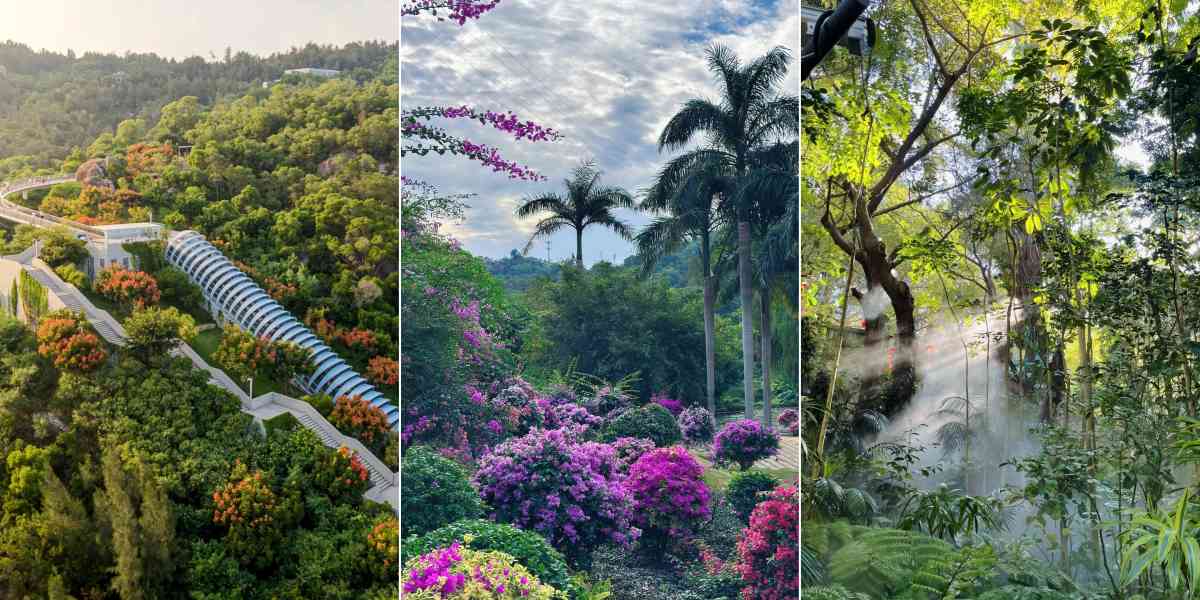
6. Discover Succulents and Rainforest Worlds at the Botanical Garden
Xiamen Botanical Garden (Wanshi Botanical Garden) is a meticulously crafted plant kingdom built around Wanshi Reservoir. Its two most popular areas are:
Succulent Zone: A vast outdoor cactus and succulent garden offering exotic photo opportunities reminiscent of Morocco or Mexico.
Rainforest World: Daily mist systems activate at set times (typically morning and afternoon). Sunlight filtering through the mist creates the Tyndall effect, immersing visitors in a dreamlike tropical rainforest.
Practical Tip: The park is large with many slopes. Save energy by taking the park shuttle bus between stops.

7. Experience Min Nan Tea Culture
Fujian is the birthplace of oolong tea. In Xiamen, tea drinking is an integral part of daily life.
Find a Tea House or Parlor: Numerous tranquil tea rooms dot Gulangyu Island, Zengcuo’an, or Shapowei. Order a pot of Tieguanyin or Da Hong Pao, and ask the owner to demonstrate the simple Gongfu tea brewing method while you savor the moment.
Visit a Tea Shop: Many tea shops welcome guests to sample teas before purchasing. This offers a great opportunity to learn about Chinese tea culture.
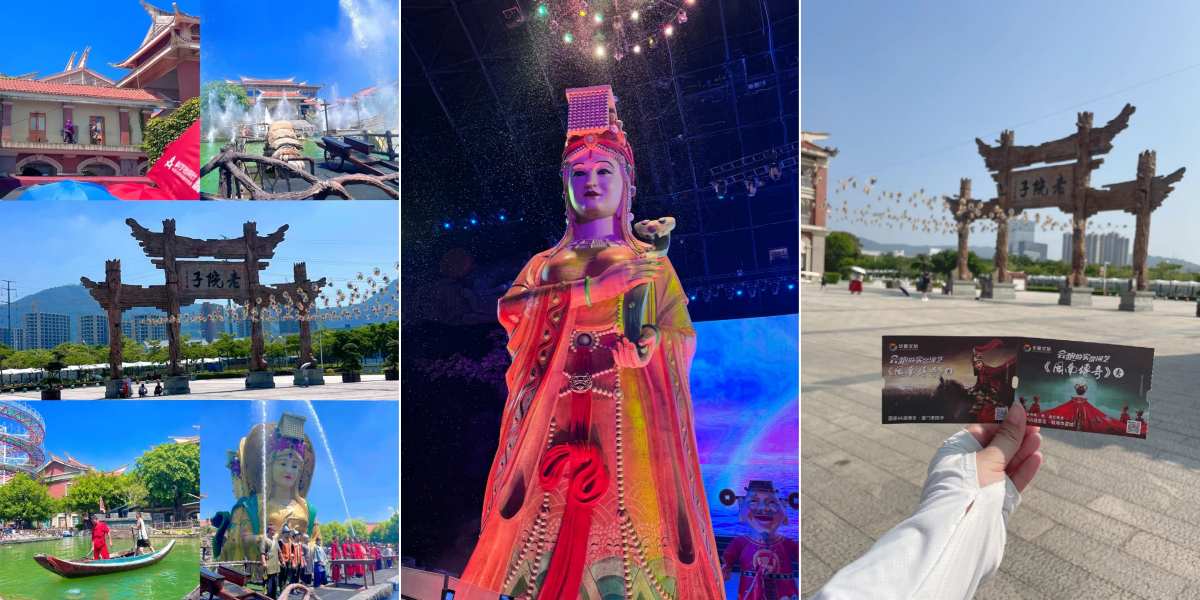
8. Watch the “Legends of Southern Fujian” Show
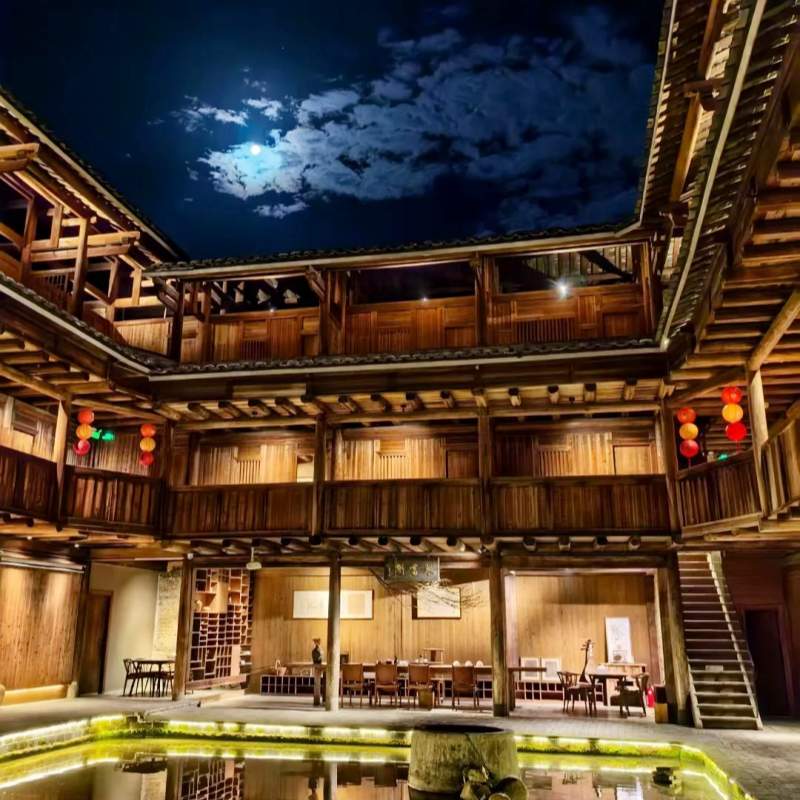
If you’re interested in the history and folklore of Southern Fujian culture, head to Xiamen Old Courtyard Scenic Area for the “Legends of Southern Fujian” show. This live performance, enhanced with modern high-tech stage effects, tells the story of the Southern Fujian people’s journey to Southeast Asia, Mazu culture, and fishing village tales. Its stunning visuals offer an entertaining way to quickly immerse yourself in local culture.

Xiamen Itinerary Recommendations
Classic Three-Day Tour:
Day 1: Full-day in-depth exploration of Gulangyu Island (architecture, Sunlight Rock, beaches, Piano Museum).
Day 2: Morning visit to Nanputuo Temple + Xiamen University (if open), afternoon cycling along Huan Dao Road (Bai Cheng to Zengcuo’an section), evening stroll through Zengcuo’an.
Day 3: Botanical Garden in the morning; explore Baishi Market and Shapowei Art District in the afternoon; enjoy a seafood feast in the evening.
Relaxed Five-Day Tour: Add one day to the three-day itinerary for a day trip to Fujian Tulou (e.g., Yunshuiyao or Yongding Tulou Cluster), plus one free day for exploration—visit Jimei Academy Village to see Tan Kah Kee architecture or simply relax at a seaside café.
Practical Tips for International Visitors
- Transportation: Xiamen Island has extensive public transit, with convenient buses and BRT (Bus Rapid Transit). Use map apps (like Amap) for real-time routes. Taxis and ride-hailing services (Didi Chuxing) are reasonably priced.
- Best Time to Visit: Spring (March-May) and autumn (October-November) offer the most pleasant weather. Summer (June-September) is hot and humid, with occasional typhoons. Winter is mild with little rainfall.
- Payment: Mobile payments (Alipay/WeChat Pay) are ubiquitous, but carry some cash for street vendors and markets.
- Language: Basic English communication is possible at major attractions and among younger locals. Learning a few Chinese phrases like “Thank you” (xièxie) and “How much?” (duōshao qián?) will be very useful.
What you can do in Xiamen extends far beyond ticking off tourist spots. Its charm lies in a blended lifestyle—where historical depth intertwines with artistic freshness, and bustling city life coexists with seaside tranquility. The best way to travel is to slow down, carve out some unplanned time, get lost in Gulangyu’s alleys, cycle along the coastal road with the sea breeze, spend an afternoon in a teahouse, or hunt for local delicacies at the Baishi Market like a native.
Xiamen is a city meant to be felt with your heart, not just seen with your eyes. May this guide help you embark on a perfect Xiamen journey and create your own unique memories.
Latest Articles:
- Xiamen Travel Guide 2026: Top 10 Attractions + 3-Day Itinerary
- Xiamen Night Market Guide 2026: Best Food & Top Places to Visit
- Best Places to Eat in Xiamen: 2026 Food Guide & Local Restaurant Tips
- Where to Stay in Xiamen First Time: Best Areas, Hotels & FAQs (2026)
- Fujian Tulou 2026 Guide: Visiting China’s Hakka Earth Buildings
Related Reading:
- Xiamen One-Day Tour Perfect 24-Hour Itinerary (2026 Guide)
- 2026 Top Spots on the Xiamen Mountain-Sea Trail: Spiral Slope & Coastal Views
- Xiamen 3-day itinerary
- Xiamen Travel: 8 Must-Visit Attractions & Hidden Gems (2026 Guide)
- What food is famous in Xiamen?
- Top 10 Places to Visit in Xiamen: Your Ultimate Guide to the ‘Slow Life’ (2026)
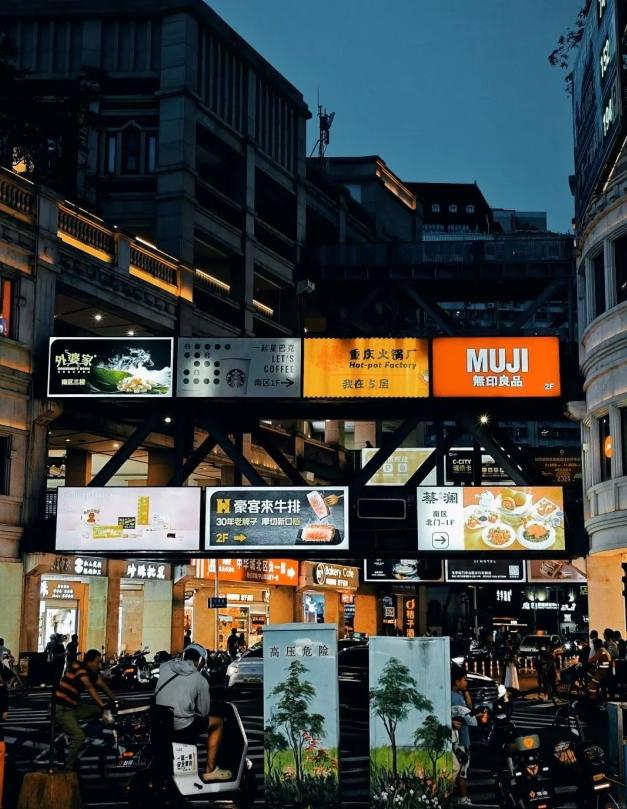



Beyond the popular Island Ring Road, local coastal life thrives in the Wuyuan Bay area and along the Jimei School Village metro line. Rent a bike and start at the wetlands park under the Wuyuan Bay Bridge, cycling past the marina to feel Xiamen’s modern, spacious side. Then, take Metro Line 1 (for a stunning stretch of “sea-view subway”) to Jimei. Don’t just visit the Chen Jiageng Memorial Hall—wander into the alleys of Shigu Road and Dashe Village. Here, you’ll find authentic *shamian* noodle shops, colonial-era houses filled with stories, and unpolished fishing village life. Finally, arrive at the “Ten-Mile Long Dyke” before sunset to see the metro trains, cross-sea bridges, and the setting sun in one frame. This offers a more genuine understanding of the city’s past and present than any standard scenic spot.
Most guides just tell you to visit Gulangyu’s “Longtou Road” and “Sunlight Rock.” My advice: treat it as a journey through time. Take the first ferry (before 7:30 AM) from the “Xiamen International Cruise Center” to the “Sanqiutian Pier.” Head straight to the quieter western side—explore the old villas near “Gulang Stone” and “Bishan Cave” before the crowds arrive. In the afternoon, wander down “Fujian Road” and “Lujiao Road.” The goal isn’t to buy tickets for every museum, but to observe the details: the old南洋 (Nanyang) merchant names above doorways, the fusion of stained glass and Minnan red brick in the churches. For your return, take the evening ferry from “Sanqiutian” back to the “Xiamen Ferry Terminal” (open to tourists in the evening)—you’ll disembark right into the neon-lit “Zhongshan Road.” This route takes you from a quiet past to a vibrant present in one perfect day.
The “Green and Blue” Afternoon Combo: Start at Xiamen Botanical Garden at 6:30 AM—hit the Desert and Rainforest zones before crowds arrive. Here’s the hack: take the mountain path from the garden up Huli Mountain for panoramic views of the city and sea. Descend to the Railway Cultural Park and follow the old tracks to Heping Wharf. Grab a sunset beer at the集装箱 bars. This single route delivers mountains, ocean, history, and local life in one perfect afternoon. Pack walking shoes.