
Best Places to Eat in Xiamen: 2026 Food Guide & Local Restaurant Tips
Xiamen is not only a picturesque coastal city but also a culinary paradise. Its cuisine blends traditional Min Nan flavors, Southeast Asian influences, and the bountiful gifts of the sea, creating a unique and enticing food culture. For first-time foreign visitors, finding the most authentic and worthwhile dining spots can be a challenge. This guide will help you navigate Xiamen’s best dining districts, restaurants, and street food spots, providing comprehensive practical information so you can savor Xiamen’s culinary delights like a local.
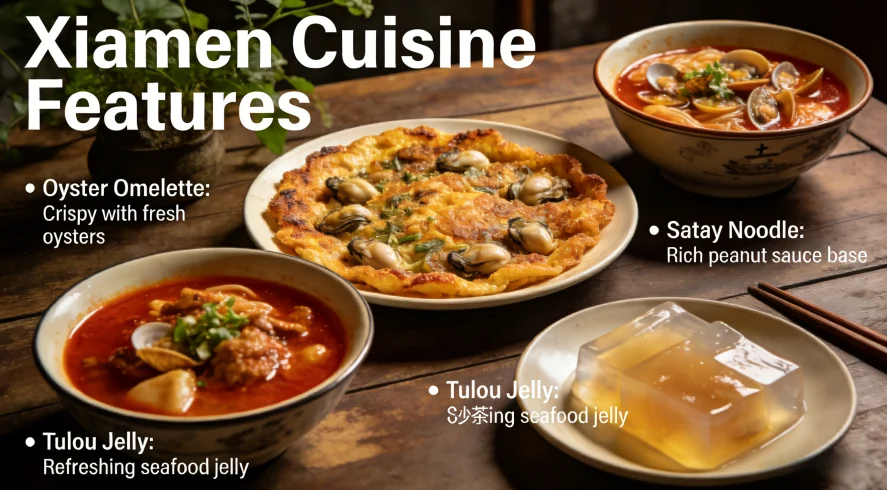
Characteristics of Xiamen Cuisine
Before embarking on your culinary journey, familiarize yourself with a few key concepts:
Seafood Reigns Supreme: Freshness is paramount, with steaming and blanching as primary cooking methods to highlight natural flavors.
Soup Culture: From satay soup to various stewed broths, soups form the soul of many dishes.
Sweet-Salty Harmony: Xiamen cuisine masterfully balances sweet and savory notes, exemplified by the use of satay sauce and sweet chili sauce.
Street Food Dominance: Many of the most delicious bites aren’t found in high-end restaurants, but rather in small shops and markets lining the streets and alleys.
Detailed Guide to Xiamen’s Best Dining Areas

1. Zhongshan Road and Surrounding Old Streets
Ideal for: Visitors seeking a one-stop experience of diverse traditional Xiamen cuisine.
Atmosphere: Bustling commercial street vibe, lined with eateries beneath century-old arcade buildings.
Must-Try:
Huang Zehe Peanut Soup Shop: Established in the 1940s, this time-honored establishment serves signature peanut soup (hot, sweet soup) paired with fried dough sticks or chive pancakes—also, a reliable spot for other traditional snacks.
1980 Roast Pork Zongzi: Specializes in Min Nan-style pork zongzi stuffed with rich fillings (pork, shiitake mushrooms, dried shrimp, salted egg yolk) and an enticing aroma.
Old Street Flavors: Hidden in side alleys off Jukou Street and Dazhong Road are local favorites like Lianhuan Oyster Omelette and Aqing Spring Roll & Tangyuan.
Pros: Centralized options, convenient transportation, and most shops offer English menus or pictures.
Cons: Main street shops may be overly touristy; explore the alleys instead.
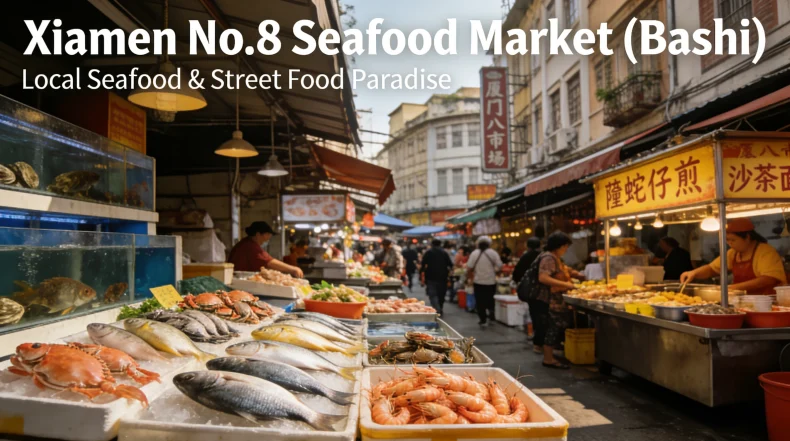
2. 8th Market (Bashi) and Surroundings
Suitable for: Food adventurers and travelers seeking the most authentic local experiences.
Atmosphere: A vibrant local seafood and produce market—noisy yet brimming with life.
Must-Try:
Market Snack Stalls:
A Jie Five-Spice: Freshly made fried five-spice rolls, crispy outside and fragrant inside.
Zhong Lijun’s Sweet Pancakes: Traditional sweet pastries with a crispy exterior and soft interior.
Zhu Ji Hand-Shredded Chicken: Cold dish with perfectly balanced seasoning.
Seafood Processing: Purchase fresh seafood at the market (moderate bargaining allowed), then take it to reputable processing shops (such as “Ah Yu Seafood Processing”) to be cooked for a fee. This offers the freshest experience.
Nearby Old Shops:
You Sheng Flavors Snacks (Shacha Noodles) and Yabon Soy Milk (Peanut Soup, Soy Milk) near the market exit are beloved by locals.
Pros: Affordable prices, authentic experience, incredibly fresh ingredients.
Cons: Noisy environment, some stalls have average hygiene standards, requires adaptability and a spirit of exploration.
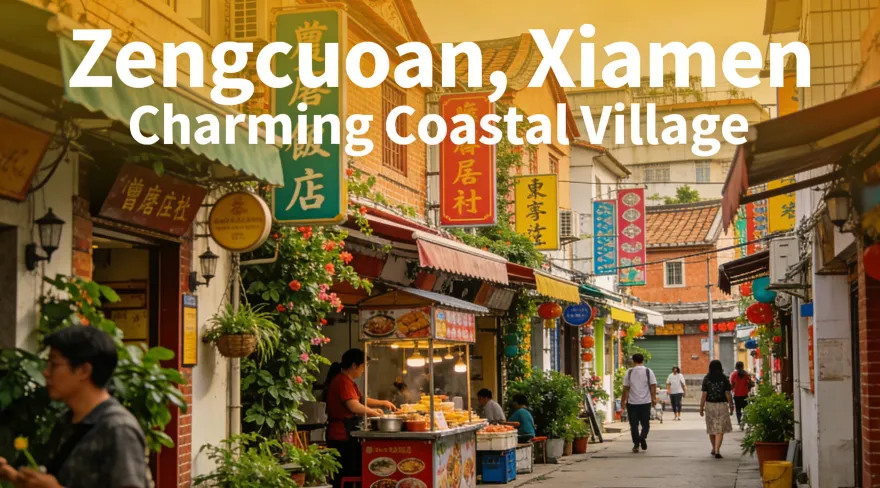
3. Zengcuo’an
Suitable for: Young travelers and visitors who enjoy a relaxed atmosphere and diverse street food.
Atmosphere: A former fishing village transformed into a bohemian leisure district, dotted with unique guesthouses, boutique shops, and countless food stalls.
Must-Try Experiences:
Snack Street: Sample local delicacies like bamboo shoot jelly, grilled oysters, oyster omelette, and Min Nan rice rolls in one place—with endless options.
Creative Desserts & Cafes: Numerous artsy spots perfect for photos and relaxation.
Pros: Relaxed atmosphere, diverse options, ideal for strolling and snacking; especially lively at night.
Cons: Flavors may be adapted for tourists, and less authentic than the old town.

4. Shapowei Typhoon Shelter & Arts District
Suitable for: Visitors who prefer modern dining settings, artistic ambiance, and coffee culture.
Atmosphere: A youthful arts district transformed from old shipyards, offering a stylish and refined vibe.
Must-Try:
Waterfront Restaurants & Cafes: Many eateries boast views of the typhoon shelter, serving Western cuisine, fusion dishes, and premium coffee.
Refined Fujian Cuisine: Higher-end restaurants here serve modern Fujian dishes with elegant presentation.
Pros: Excellent ambiance for dates or leisurely dining; frequent creative markets and events.
Cons: Relatively higher prices; traditional flavors may be less pronounced than in the old town.

5. Gulangyu Island
Ideal for: Dining while exploring the island or finding unique souvenirs.
Atmosphere: The island is dotted with snack stalls, cafes, and trendy dessert shops.
Must-Try Experiences:
Longtou Road Snack Street: Sample Shen’s Min Nan Rice Rolls and Ye’s Glutinous Rice Cakes.
Notable Shops:
- “Miss Zhao’s Shop” (pastries, tea)
- “Zhang Sanfeng Milk Tea Shop”
Historic Villa Cafes:
Some converted from heritage buildings offer unique settings.
Pros: Convenient dining during sightseeing; some shops are attractions themselves.
Cons: Generally pricier; flavors may lean commercial.
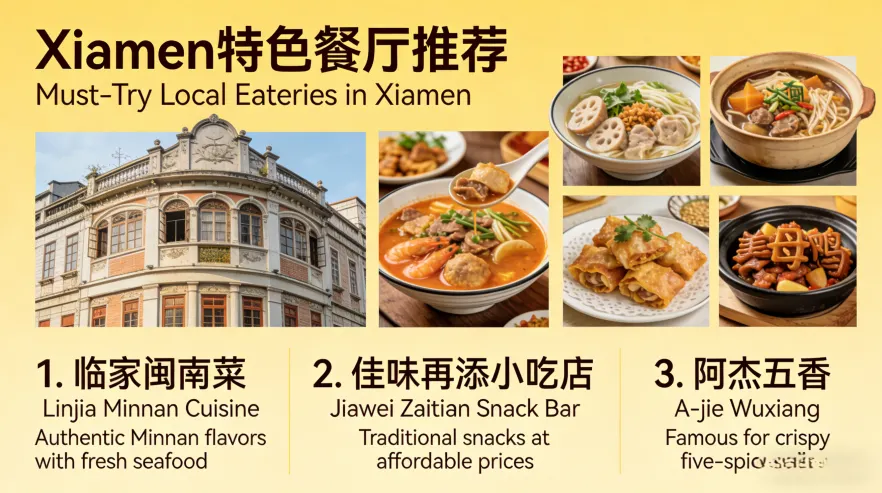
Recommended Xiamen Specialty Restaurants
- Linjia Min Nan Cuisine (Huan Dao Road Branch): If you’re seeking a single restaurant for authentic Min Nan cuisine, this is a reliable choice. It offers a pleasant ambiance, authentic dishes, and professional service. Recommended dishes include Chicken Soup with Rice Noodles, Original Flavor Local Pork Soup, and Min Nan-style Vinegar-Braised Pork.
- Haode Lai Ginger Duck (Zhongxing Road Branch): Specializes in one dish—ginger duck. Its rich aroma and tender, melt-in-your-mouth duck make it a perfect winter warmer.
- Wutang Shacha Noodles:
Considered one of Xiamen’s best Shacha Noodles, featuring a deeply flavorful broth. Note: pricier and closes at noon once sold out. - 202 Specialty Food Stall:
A bustling local favorite offering diverse seafood preparations in a lively atmosphere.
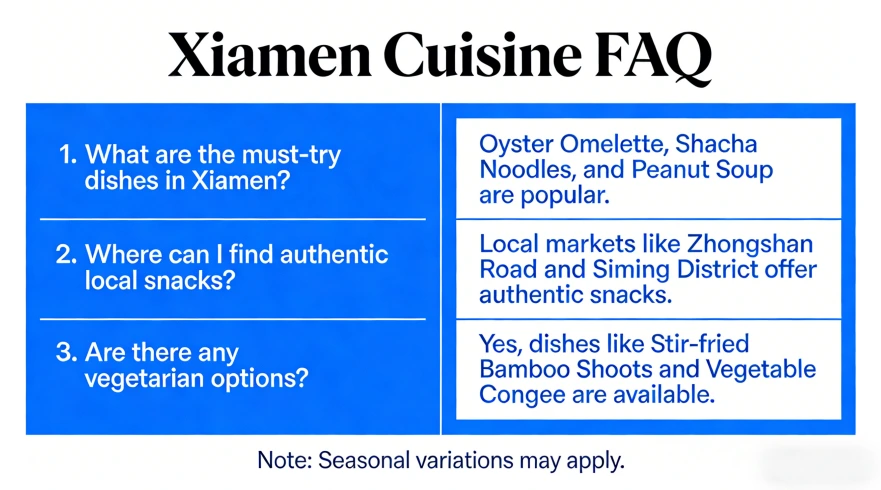
Xiamen Food FAQ
Q1: What’s the biggest challenge for foreign tourists when ordering food in Xiamen? How can it be overcome?
A: The main challenges are usually language barriers and menu comprehension. Solutions:
- Use pictures: Many restaurants have illustrated menus or display samples in windows. Simply point to your choice for the server.
- Prepare key terms: Memorize the pinyin for core dishes like “Sha Cha Mian” (沙茶面) or “Hao Li Jian” (海蛎煎).
- Use translation apps: Google Translate’s “Camera Instant Translation” feature provides real-time translations of Chinese menus.
- Ask for help: Politely request recommendations (“What do you recommend?”). Younger servers often speak basic English.
Q2: When dining in Xiamen, should I use cash, credit cards, or mobile payments?
A: Mobile payments are absolutely mainstream. Nearly all restaurants and food stalls accept Alipay and WeChat Pay. Larger restaurants and hotels typically accept international credit cards (Visa/Mastercard). Carry some RMB cash for small vendors or older establishments that only accept cash.
Q3: Is dining in Xiamen safe? What if I have concerns about food safety?
A: Xiamen generally maintains high food hygiene standards. When choosing where to eat, observe whether the establishment is clean, if customers are mostly locals, and if food is properly covered or refrigerated. At bustling night markets or street markets, stalls with long lines are usually a sign of safety. Avoid eating unheated food that appears to have been sitting out for too long. Bottled water is a safe choice for drinking.
Q4: What dining etiquette should I be aware of in Xiamen?
A: Dining etiquette in Xiamen is relatively casual, but please note:
At Chinese round-table restaurants, dishes are shared. Use communal chopsticks or the opposite end of your own chopsticks to serve yourself from shared dishes.
Do not stick chopsticks vertically into rice (this is considered unlucky).
When settling the bill, say “Mai Dan” (买单) or gesture as if writing.
Q5: Is it convenient to eat alone in Xiamen?
A: Very convenient. The snack culture thrives, with many dishes like satay noodles, oyster omelette, and wontons available in single portions. Many restaurants also offer single seats or counter seating. Don’t miss out on markets or street food stalls just because you’re alone—the lively atmosphere makes it easy to order a few small dishes to sample.
Q6: How can I find restaurants truly popular with locals, not just tourist traps?
A: Here are some practical tips:
- Venture away from tourist hubs: Walk a few steps into side alleys or residential areas.
- Observe the crowd: During lunch and dinner hours, spot where locals gather (especially those who look like office workers or families).
- Check local apps: Though mainly in Chinese, high ratings and numerous authentic reviews on the “Dianping” app (with translation tools) offer great guidance.
- Trust your nose and eyes: If a shop wafts enticing aromas and the food looks fresh and appetizing, it’s worth trying.
Hope this guide helps you embark on a delicious and enjoyable culinary exploration in Xiamen. Remember, the best food experiences often come from an open mind and the courage to try new things.
Related Reading:
- Xiamen street food:10 Must-Try Street Foods and Restaurants
- Which month is best to visit Xiamen
- Xiamen Food Guide: Must-Try Dishes and Authentic Street Snacks (2026)
- What to Buy in Xiamen: 2026 Shopping Guide for Souvenirs & Gifts
- What to Do in Xiamen: Your Complete 2026 Travel Guide & Itinerary
- Xiamen Souvenirs: 2026 Ultimate Guide to Souvenirs & Local Products



A common mistake is walking into a local sha cha mian (沙茶面) shop and pointing randomly. You need a strategy. First, at places like “Wujia” (乌糖沙茶面) or the legendary “Yuehua” (月华沙茶面) in old town, understand the process: pick your noodles, then select your “toppings” from the case—pig liver, squid, lean meat, tofu puffs. The tofu puffs are non-negotiable; they soak up the rich, nutty沙茶 broth like sponges. Also, learn the local phrase “jia xia mi” (闽南语 for “what to eat”)—using it will earn you smiles. For a true hidden gem, find the unmarked stalls serving binglang lang (槟榔芋泥)—a dense, sweet taro paste—in the back alleys of Zhongshan Park. It’s usually gone by noon. The key to eating well in Xiamen is timing: breakfast and lunch are for the markets and noodle shops; dinner is for a proper seafood feast at a place like “Dayuan Road” where you pick your fish straight from the tank.
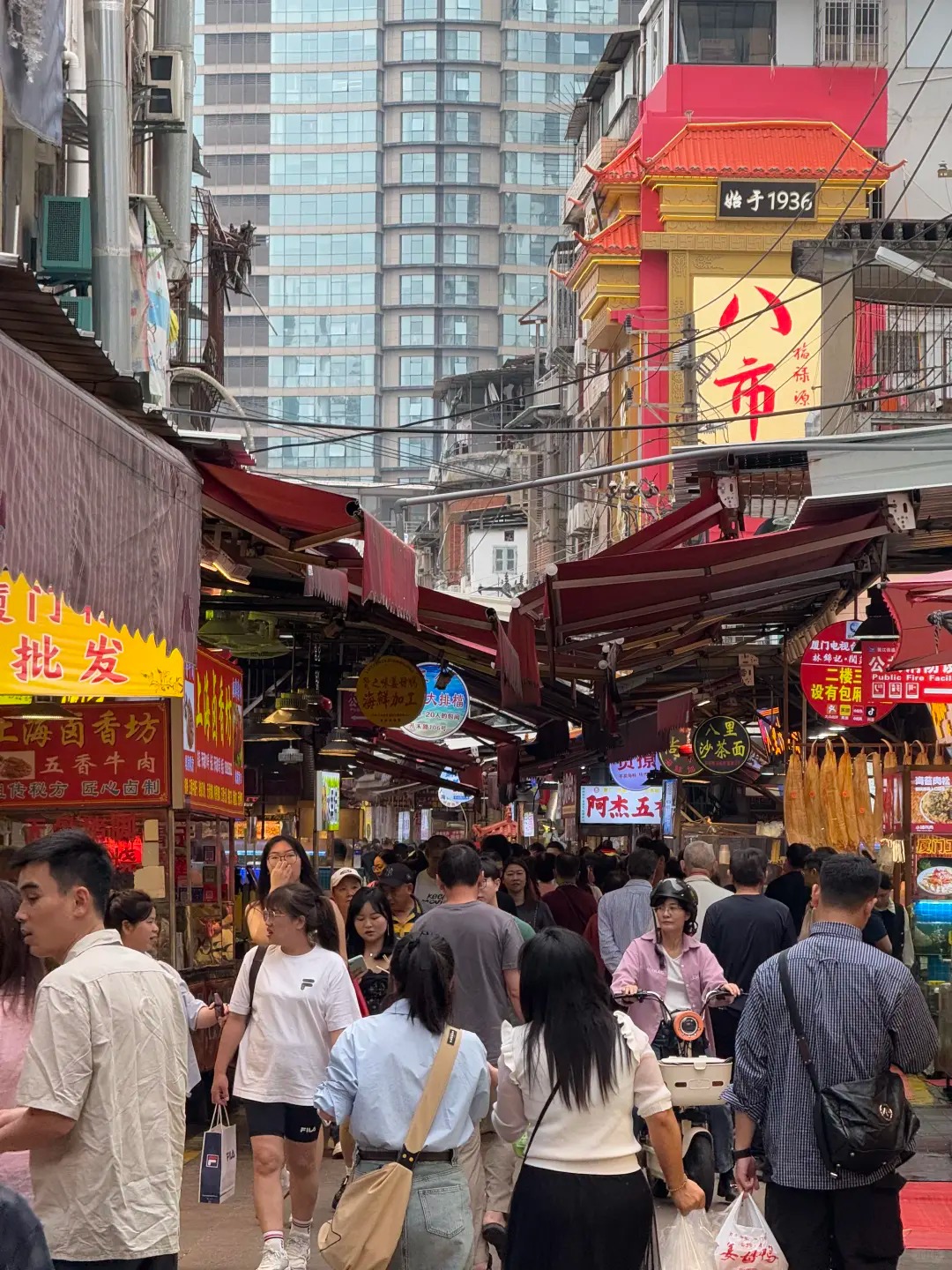
Every blog lists the same几家网红店, but the real soul of Xiamen’s food scene is the “Bashi” (Eighth Seafood Market) . My strongest advice: go at dawn (around 6:30-7:30 AM) . This is when the fishermen are unloading, and the narrow lanes come alive with raw energy. Skip the sit-down seafood restaurants inside the market for dinner—they’re overpriced and tourist-focused. Instead, go in the morning for the true breakfast experience: join the queue of elderly locals for a bowl of steaming peanut soup at a worn-down stall, grab a freshly fried oyster omelet from a griddle that’s been sizzling for decades, and finish with a sticky rice tube stuffed with dried shrimp and mushrooms. You’ll eat better for under ¥20 and witness a disappearing way of life. For 2026, go early—like, really early—before the tour groups arrive.
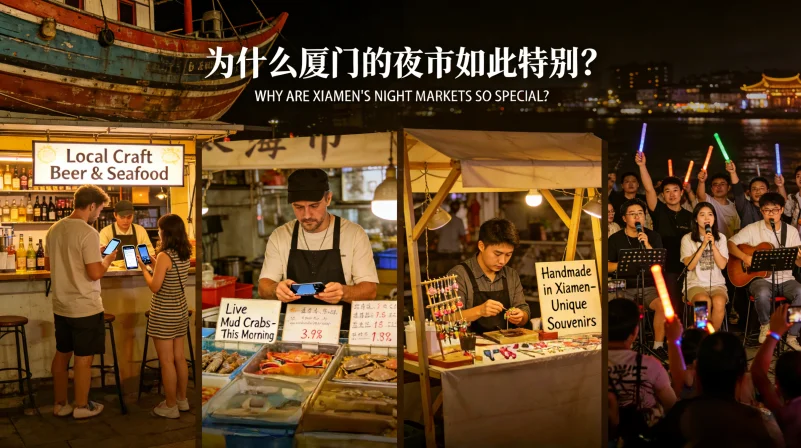
Siming Night Market awakens at 10 PM. Find the cart with longest local queue—it’s usually Miss Wei’s beef noodles. Her broth simmers 12 hours, noodles hand-pulled, beef fall-apart tender. Order “extra tendon” if you see it. Eat standing, slurp loudly, and understand why Xiamen never sleeps.
Nanputuo Temple’s vegetarian restaurant serves Buddhist “mock meat” dishes that fool everyone. Order the “fried eel” (made from mushrooms) and the luohan vegetarian feast. The setting—overlooking temple rooftops toward the sea—matches the food. Go at 11:30 AM before noon crowds.
Near Bashi’s fish section, a tiny window with no name fires up oyster omelets starting at 5 PM. The griddle hasn’t cooled in 40 years. Watch them toss fresh oysters, eggs, and sweet potato starch, then dip in their house-made chili vinegar. Four stools, perpetual queue, pure magic.
Huang Zehe on Zhongshan Road has served peanut soup for generations, but locals know to order the coconut tarts fresh from the oven at 3 PM. They’re flaky, barely sweet, and disappear instantly. Skip the预包装 boxes they try to sell tourists—eat there, warm.
Escape Gulangyu’s tourist traps by finding the unmarked shanxi noodle shop tucked behind the三丘田 ferry exit. A Uyghur family pulls hand-pulled noodles fresh, tossing them in cumin-spiked lamb sauce. One bowl, ¥25, eaten on plastic stools—more authentic than任何 museum ticket.
Laosi Dumplings on Kaiyuan Road has served shrimp dumplings and sticky rice rolls since 1946. The trick: arrive by 6:30 AM when the first batch comes out steaming. Dip the dumplings in their vinegar-soy sauce mix, order a bowl of pig stomach soup if you’re brave, and watch grandpas read newspapers around you.
Tourists flock to Seafood Street; locals go to Dongdu Road. At Xiaoshan Seafood, pick your fish from the tank, tell them “qingzheng” (steamed), and watch magic happen. The oyster pancakes here are crispy-edged, not greasy. Prices are half what you’ll pay near the ferry terminal.
Near Zhongshan Park’s northwest gate, an elderly woman sets up a tiny thermos around 3 PM selling homemade binglang yu ni (taro paste). No sign, no English—just look for the small queue. It’s dense, barely sweet, and tastes like generations of recipes. She’s done by 5 PM. Bring exact change.
Yuehua on Da Yuan Road looks chaotic but runs like clockwork. Strategy: grab a bowl, pick your noodles, then choose toppings fast—pork liver, squid, tofu puffs. The puffs are mandatory; they soak up that nutty沙茶 broth perfectly. Add a spoonful of their chili paste, not the bottled stuff. Cash only, gone by 2 PM.
Skip online reviews—just follow local aunties carrying shopping bags inside Eighth Market (Bashi) . At Zhuangjia Seafood, point at whatever looks freshest and they’ll stir-fry it with ginger and scallions for pennies. The queue at the unmarked peanut soup stall near the vegetable section tells you everything. Go at 7 AM before cruise crowds.
Every “best places” list sends you to the same crowded spots. Here’s a better system: follow local aunties carrying shopping bags. At Bashi Market, the unmarked peanut soup stall near the vegetable section has a queue of grandparents every morning – join it. The oyster omelet window behind the fish tanks has four plastic stools and a griddle that hasn’t cooled since the 1980s – eat there. For shacha noodles, skip the famous Yuehua (overrun by 10 AM) and walk two blocks to Siming Road’s side alley – look for the shop where off-duty taxi drivers eat. The rule is simple: if aunties in house slippers queue there, you’re in the right place. No Instagram, no blog, just ¥30 and the best meal of your trip.