Xiamen Food Recommendations: Top 10 Must-Try Dishes for 2026
Xiamen Food Recommendations: 10 Must-Try Authentic Local Snacks
Xiamen is not only a picturesque coastal city but also a culinary paradise hidden in plain sight. As a major port along China’s southeastern coast, Xiamen’s famous food blends the bounty of the sea, Min Nan culinary traditions, and influences from Southeast Asian flavors, creating a unique and captivating food culture. Whether you’re a seafood lover, a noodle enthusiast, or an adventurous palate seeking new tastes, Xiamen has something to satisfy every craving. This guide details 10 must-try authentic Xiamen dishes, complete with practical dining recommendations.
Core Characteristics of Xiamen Cuisine
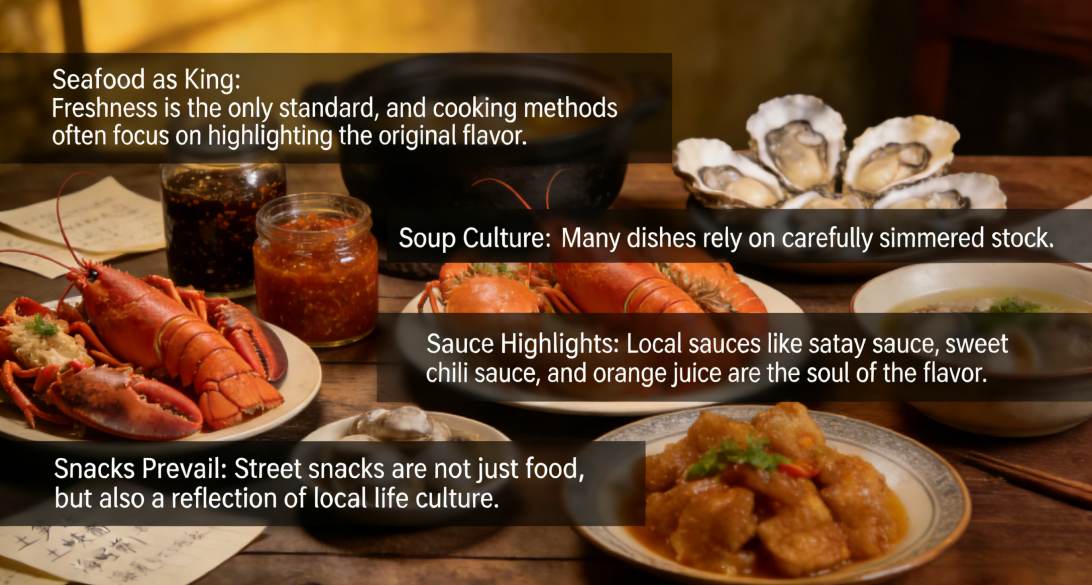
Before embarking on your culinary journey, understanding the distinctive features of Xiamen cuisine will enhance your appreciation of each dish:
Seafood Reigns Supreme: Freshness is the sole criterion, with cooking methods often emphasizing the natural flavors.
Broth Culture: Many dishes rely on meticulously simmered broths.
Sauces as the Finishing Touch: Local sauces, such as satay sauce, sweet chili sauce, and orange juice, are the soul of the flavors.
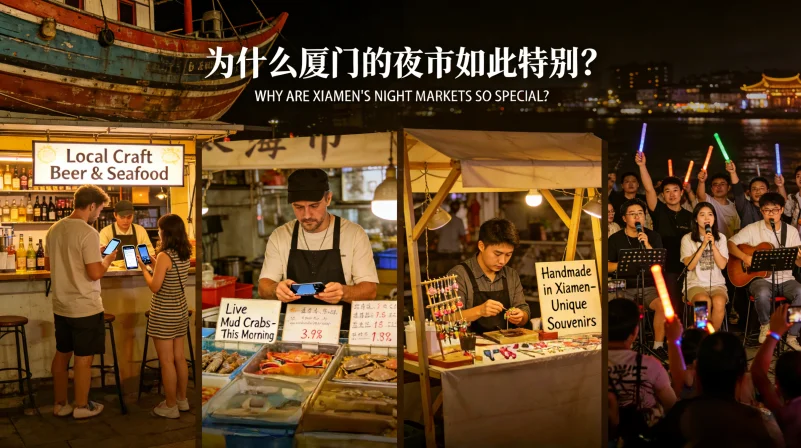
Xiamen Street Food Culture: Snacks aren’t just sustenance—they embody the city’s vibrant lifestyle.
Top 10 Must-Try Xiamen Delicacies
1. Shacha Noodles
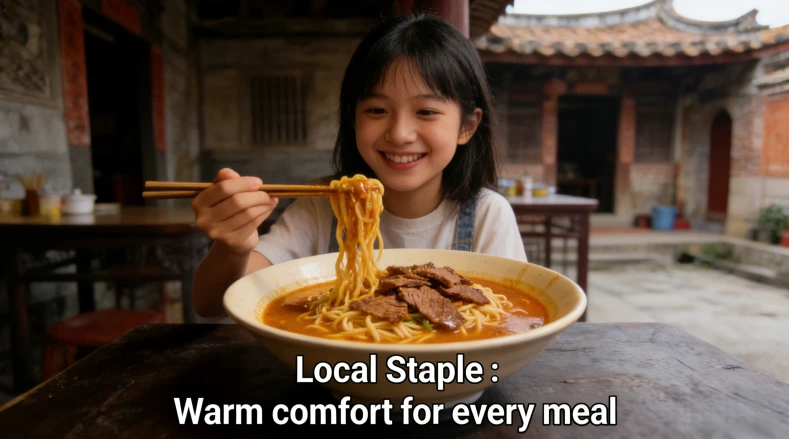
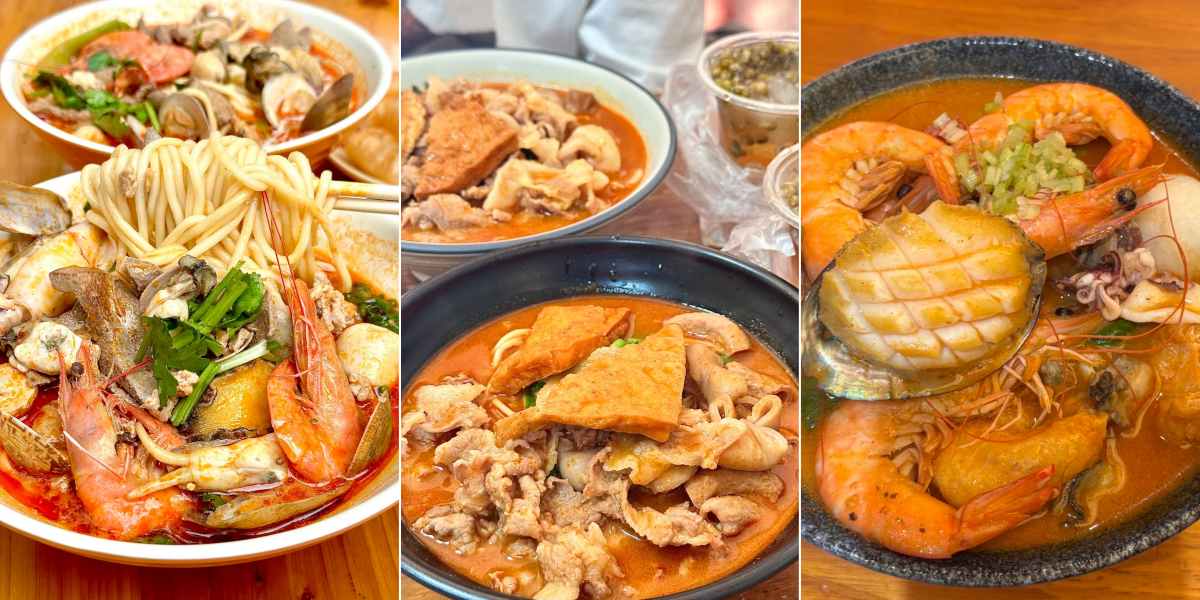
What it is: The quintessential Xiamen dish. This isn’t just any noodle bowl—its essence lies in a rich broth simmered with peanut butter, dried shrimp, satay powder, and dozens of other spices. The flavor is savory and aromatic, with a subtle hint of spice and nutty notes.
How to eat it: Choose your noodle thickness and select toppings like pork, pork liver, pork intestine, tofu, or seafood. Blanch all ingredients in the sacha broth and enjoy with your noodles.
Who it’s for: Those who love rich, complex flavors.
Where to eat: Local noodle shops in alleys and streets, such as “Yuehua Shacha Noodles” or “Wutang Shacha Noodles” (usually open only in the morning).
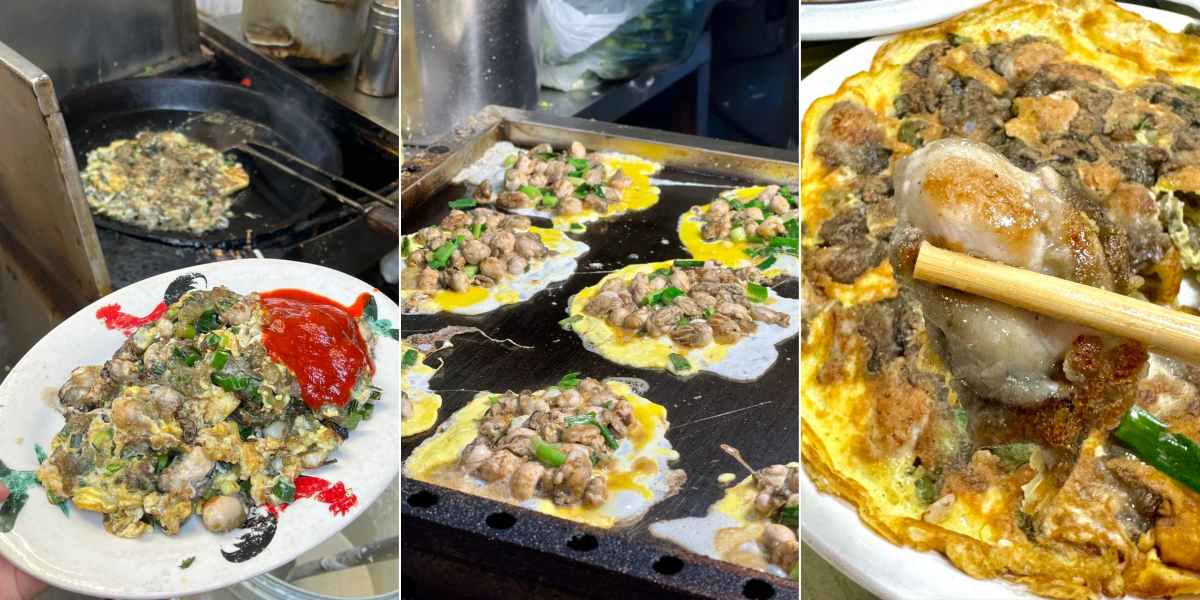
2. Oyster Omelet
What it is: A classic Min Nan-style snack. Fresh oysters are mixed with sweet potato starch batter, eggs, and scallions, then pan-fried on a hot griddle until the edges are crispy and the center remains tender.
How to eat it: Must be eaten hot, paired with local sweet-chili sauce. The sweet, salty, savory, and crispy flavors intertwine.
Who it’s for: Seafood lovers and those who enjoy a crispy exterior with a tender interior.
Where to eat it: Found at nearly every snack shop and night market, such as “Lian Huan Oyster Omelet.”
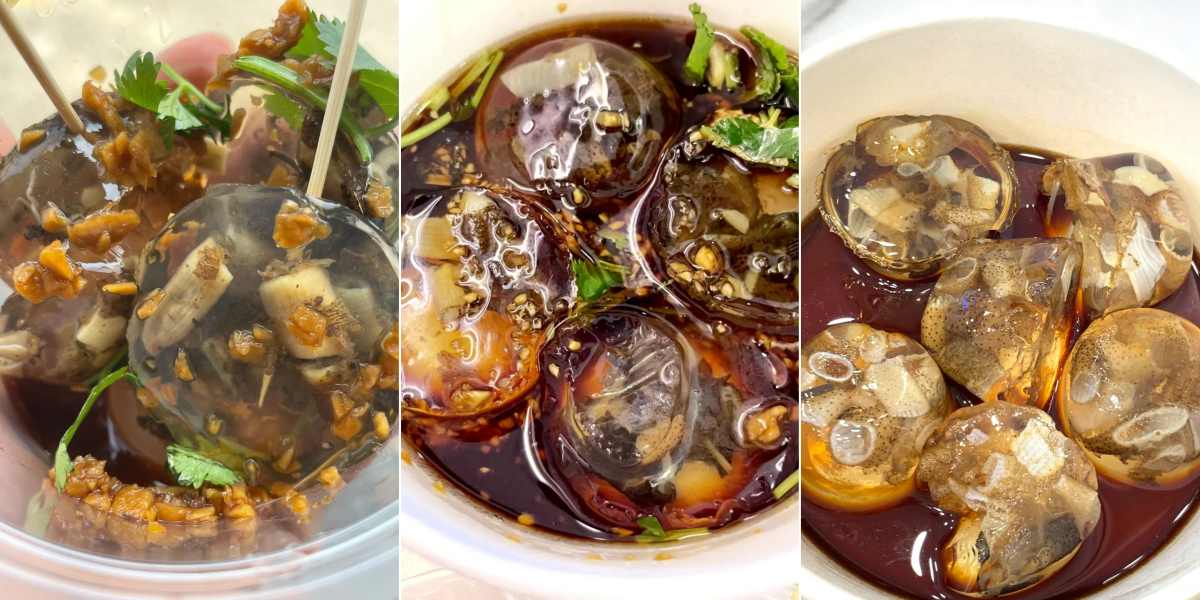
3. Sea Worm Jelly
What it is: Xiamen’s boldest and most unique snack. Appearing as a crystal-clear jelly, it encases an edible marine creature called “starworm.” The texture is refreshingly chewy and springy.
How to Eat: Cut into small pieces and drizzle with a sauce made from soy sauce, vinegar, minced garlic, and mustard. Close your eyes and savor its unique texture and icy-cold flavor—a truly local experience.
Who It’s For: Adventurous souls seeking a challenge.
Where to Eat: Established snack shops like “Tianhe Ximen Sea Worm Jelly.”
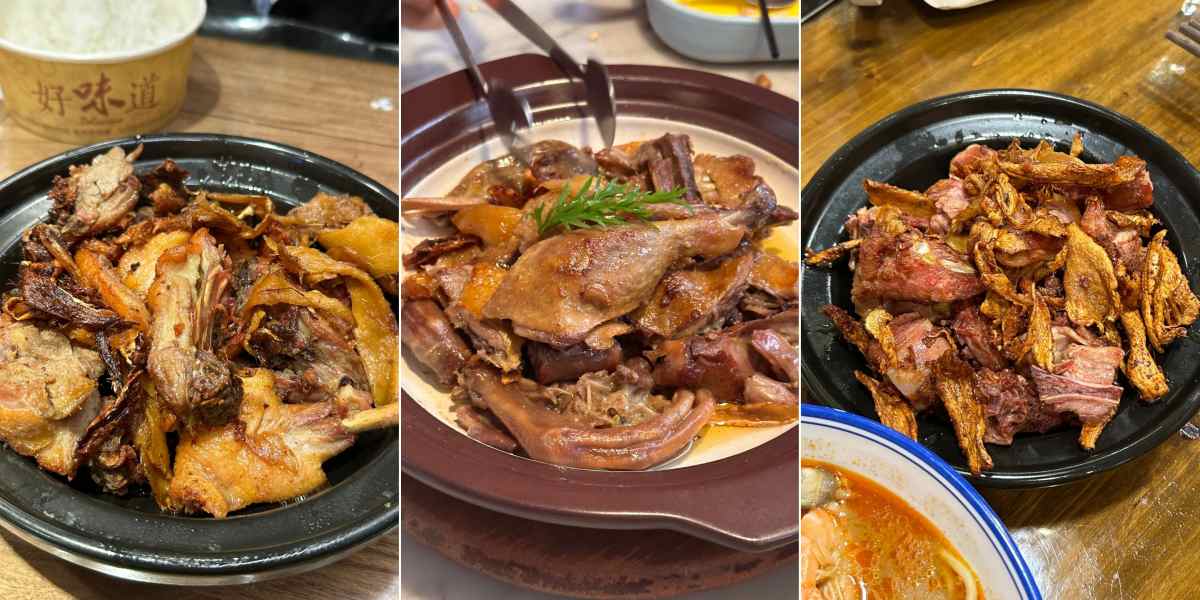
4. Ginger Duck
What it is: An aromatic, nourishing dish. A whole duck is simmered for hours with generous slices of aged ginger, sesame oil, and rice wine until the meat becomes tender and flavorful, transforming the ginger’s pungency into a mellow sweetness.
How to Eat: Typically served as a main course with rice. The broth is rich and flavorful, the duck meat practically falls off the bone, and the ginger slices are edible too.
Who It’s For: Those who enjoy warm, hearty dishes, especially during cooler weather.
Where to Eat: Specialty ginger duck restaurants like “Haode Lai Ginger Duck.”
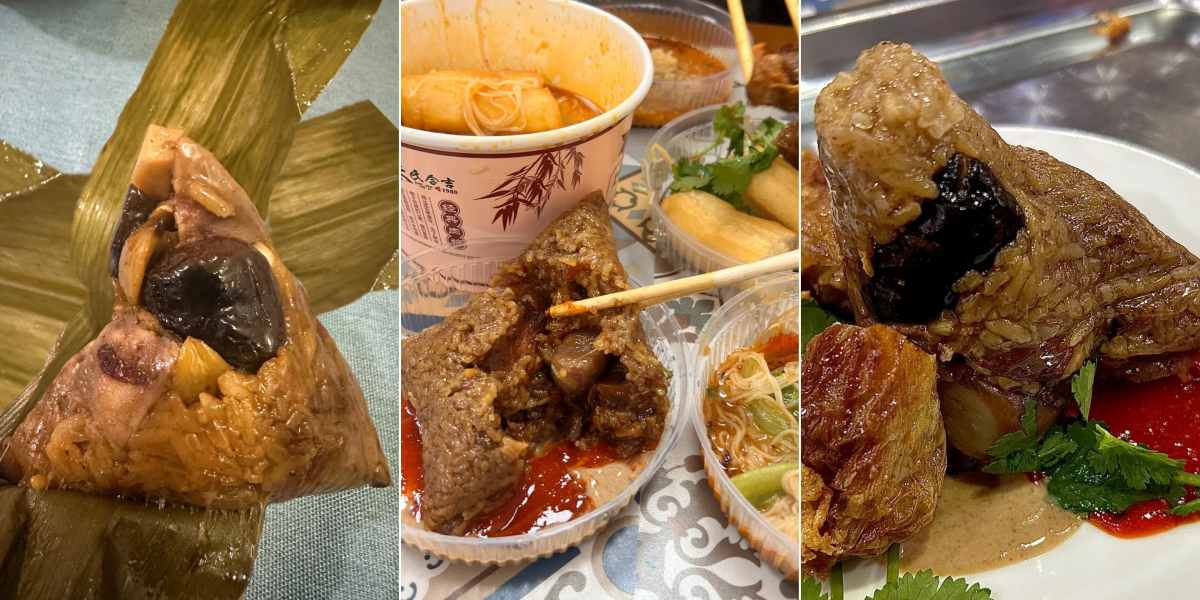
5. Shāoròu Zhòng
What it is: Unlike common sweet rice dumplings, Xiamen’s version is savory. Glutinous rice is stir-fried with soy sauce and other seasonings, then wrapped around a rich filling of braised pork belly, shiitake mushrooms, dried shrimp, chestnuts, and salted egg yolk.
How to eat: Steam until hot, peel back the bamboo leaves, and dip in sweet chili sauce or peanut sauce. This is a satisfying snack with complex layers of flavor.
Who it’s for: Those who enjoy glutinous rice and hearty fillings.
Where to eat: Snack shops or established brands like “1980 Savory Rice Dumplings.”
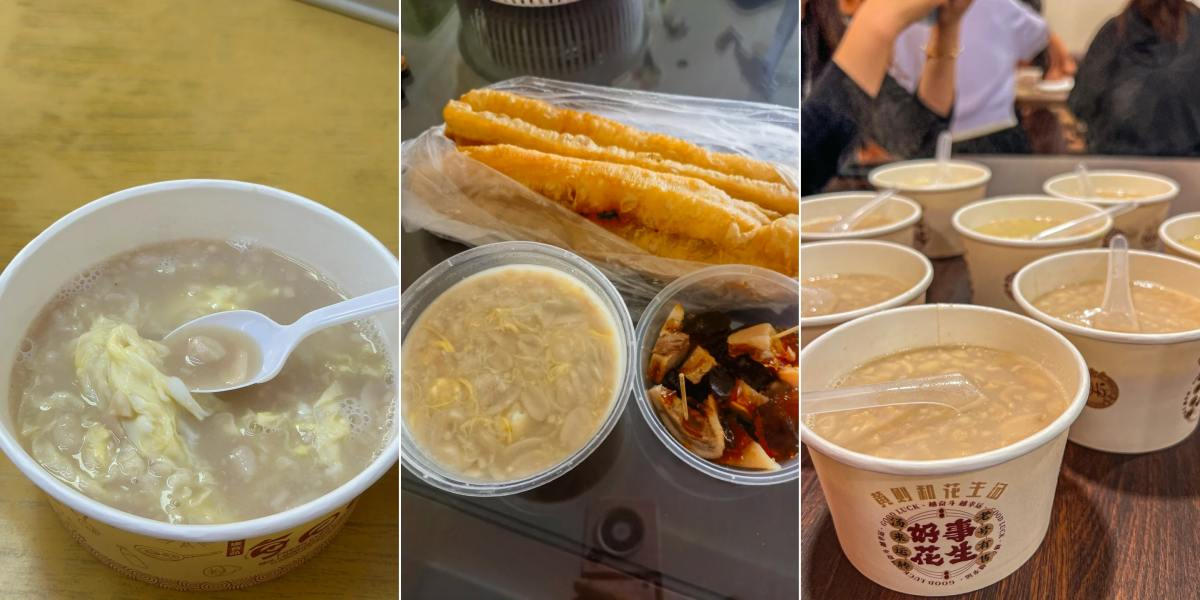
6. Peanut Soup
What it is: A simple yet comforting local sweet soup. Peanuts are simmered until soft and nearly melted, creating a creamy white broth with a sweet, smooth texture.
How to eat it: Typically enjoyed as a warm, sweet breakfast or late-night snack. Locals love pairing it with fried dough sticks, tearing them into pieces, and soaking them in the soup.
Who it’s for: Everyone, especially those who enjoy sweets and warm beverages.
Where to Eat: Breakfast stalls or dessert shops, most famously “Huang Zehe Peanut Soup.”
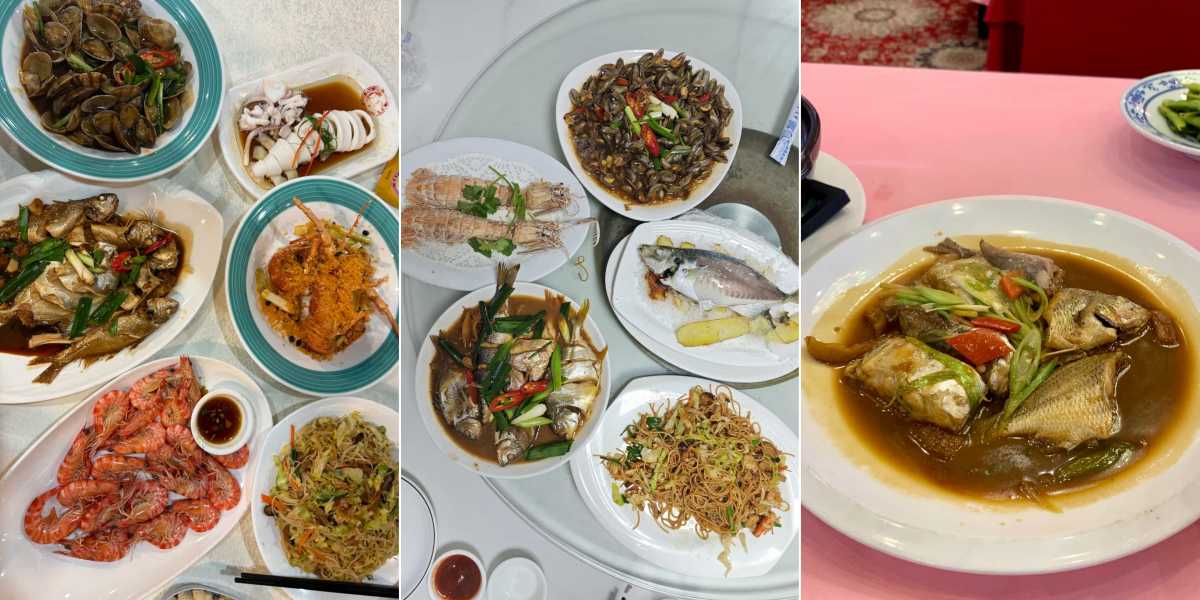
7. Soy Sauce Braised Seafood
What it is: The most authentic home-style preparation showcasing Xiamen seafood’s “freshness.” Simmer freshly caught fish (like yellowfin croaker or mackerel) or small seafood in a simple broth of soy sauce, water, and ginger slices.
How to Eat: Savor the pure, sweet flavor of the fish. The broth pairs wonderfully with rice. This dish is the gold standard for judging a seafood restaurant’s authenticity.
Who It’s For: Those who appreciate seafood in its purest form.
Where to Eat: Seafood stalls or local restaurants. Tell the chef you want fish cooked in “soy sauce water.”
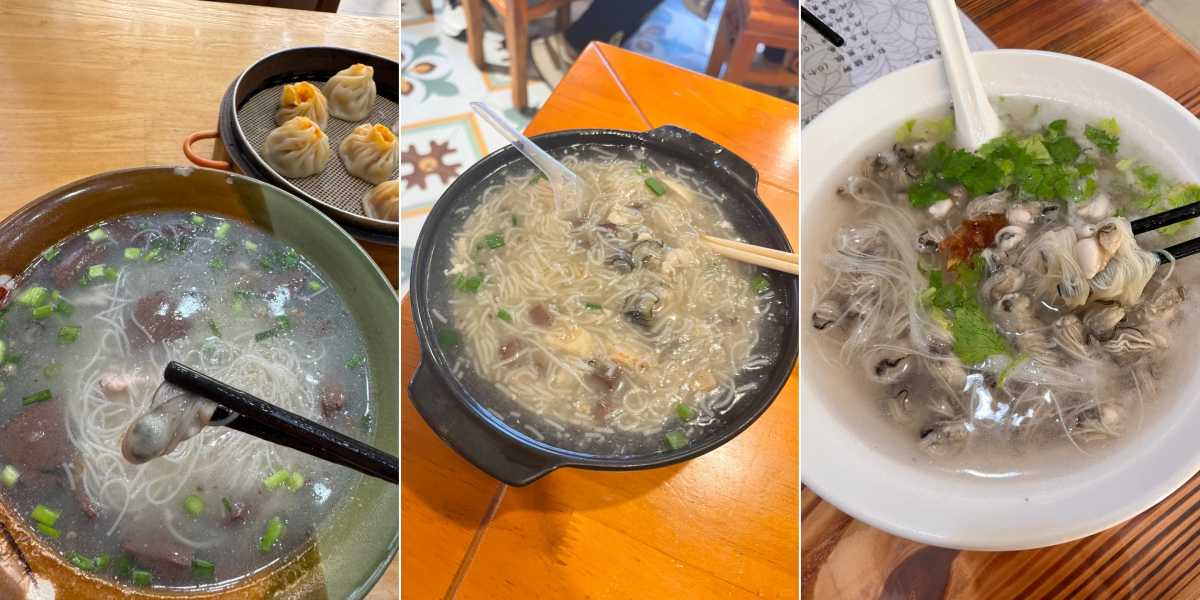
8. Thread Noodle Soup
What it is: A delicate breakfast or late-night snack. Ultra-thin thread noodles simmered in a thick, creamy broth made from pork bones or seafood.
How to eat: Add toppings like pork intestines, shrimp, oysters, or fried dough sticks to taste. Creamy texture, easy to digest.
Who it’s for: Those who prefer light, warming breakfasts.
Where to eat: Early morning street stalls or local eateries.
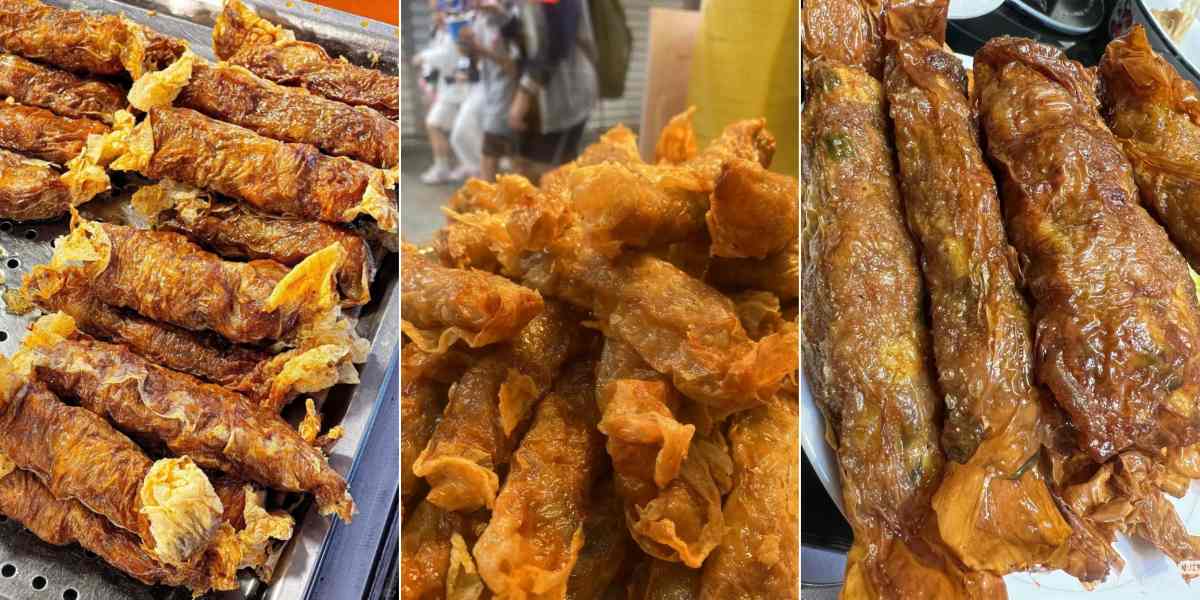
9. Fried Five-Spice Rolls
What it is: An aromatic fried snack. Minced pork, water chestnuts, onions, and other ingredients are seasoned with five-spice powder and other spices, then rolled in thin bean curd sheets and fried until golden and crispy.
How to Eat: Cut into small pieces and enjoy with sweet chili sauce or orange juice. The outer layer is crispy, the filling is juicy, and the five-spice flavor is rich.
Who It’s For: Those who love crispy fried snacks.
Where to Eat: “A Jie Five-Spice” inside Ba Shi (Eighth Market) is very famous.
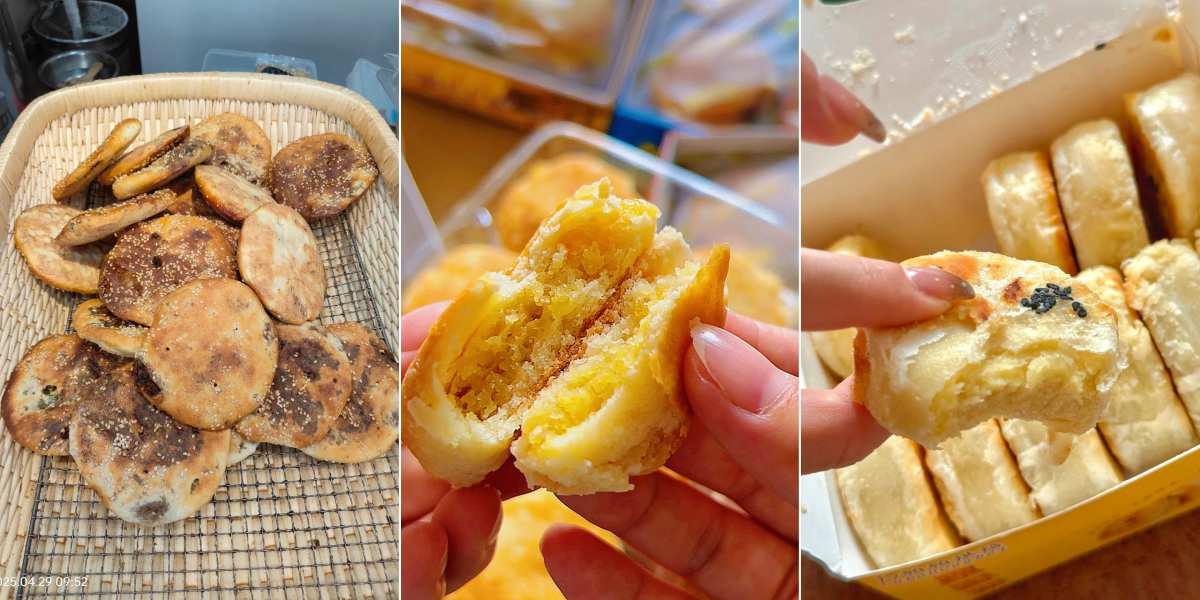
10. Pastries & Water Chestnut Cookies
What: Xiamen’s most iconic souvenirs. Gulangyu pastries feature a crispy crust with soft fillings (mung bean, red bean, etc.). Water chestnut cookies are savory-sweet, crumbly treats.
How to enjoy: As tea snacks or gifts to take home. Best enjoyed fresh out of the oven.
Who it’s for: Everyone, especially souvenir shoppers.
Where to find it: Established bakeries on Gulangyu Island or Zhongshan Road, such as “Gulangyu Food Factory” and “A Jie Zi”.
Practical Food Guide for Foreign Visitors
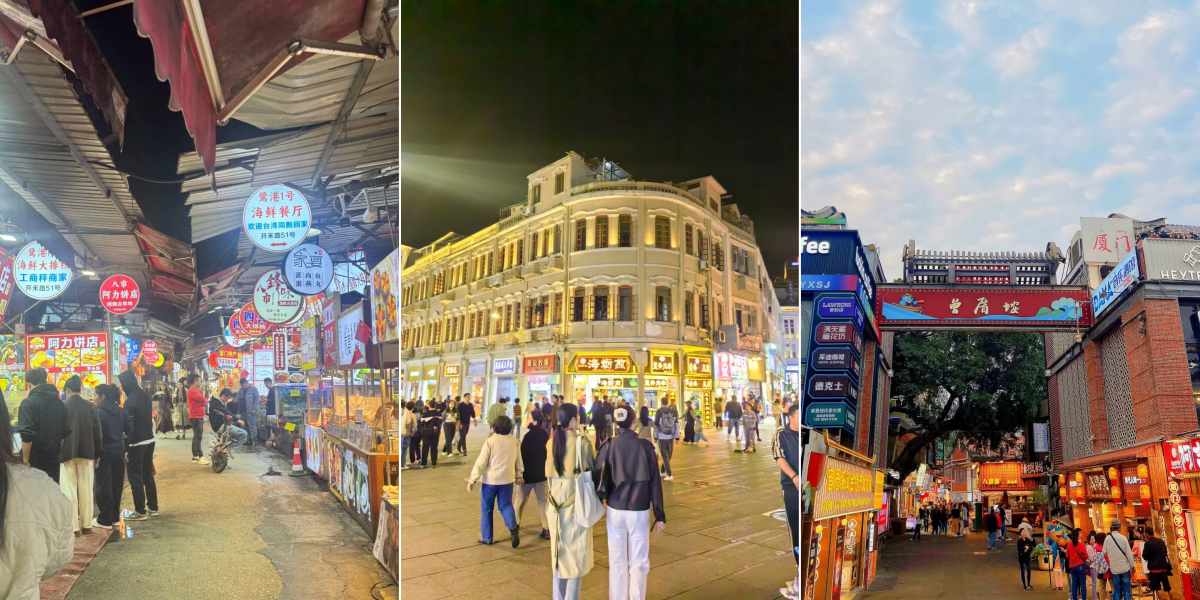
Where to Eat?
(Ba Shi)and Surroundings: Experience the most authentic local street food. Here you can buy fresh seafood and have it cooked at processing shops, or sample numerous popular snack stalls.
Zhongshan Road Pedestrian Street Area: Home to many time-honored snack shops and restaurants, perfect for one-stop tasting.
Zengcuoan: An artsy fishing village with numerous tourist-friendly snack stalls and creative restaurants, offering a relaxed atmosphere.
Shapowei: A younger, trendier dining hub featuring fusion cuisine and cafes.
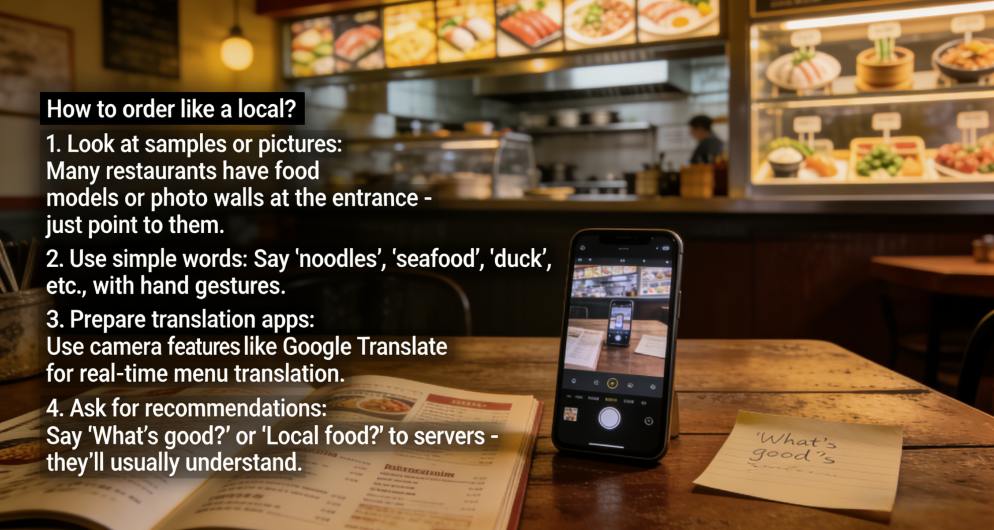
How to Order Like a Local?
- Point to Samples or Pictures: Many restaurants display food models or picture walls at the entrance—simply point to your choice for the server.
- Use simple words: Say “noodles,” “seafood,” “duck,” etc., accompanied by gestures.
- Prepare translation apps: Use camera features like Google Translate to instantly translate Chinese menus.
- Ask for recommendations: Say “What’s good?” or “Local food?” to servers—they usually understand.
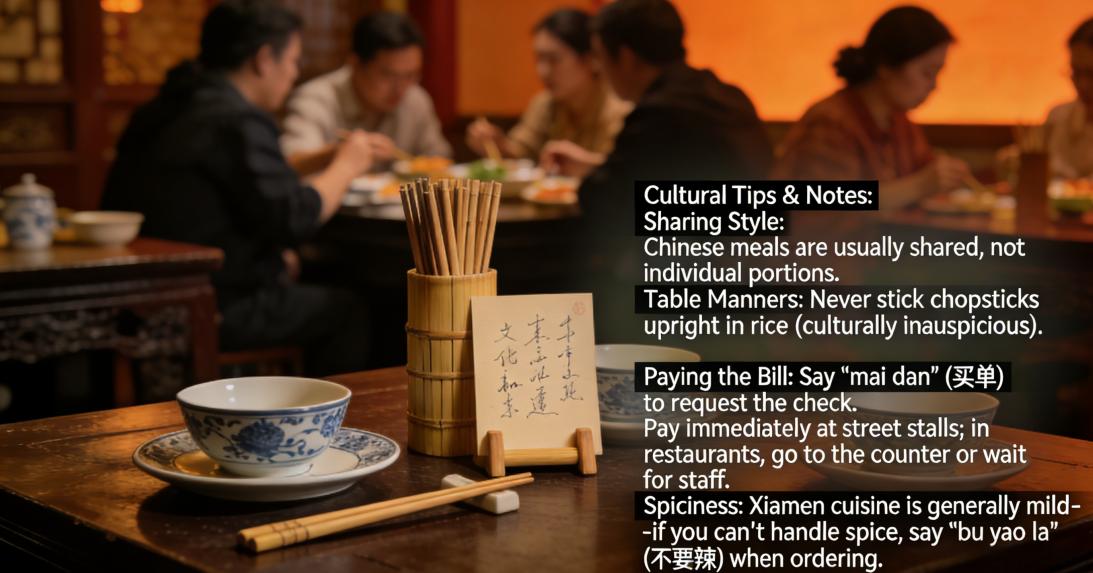
Cultural Tips and Considerations
Sharing System: Chinese meals are typically shared among everyone rather than served as individual portions.
Table Manners: Avoid sticking chopsticks vertically into rice (this is considered an inauspicious symbol in Chinese culture).
Paying the Bill: Say “mai dan” (pay the bill). At street stalls, pay immediately; in restaurants, go to the counter or wait for the server to bring the bill.
Spiciness Level: Xiamen cuisine isn’t usually very spicy, but if you can’t handle heat, request “bu yao la” (no spice) when ordering.
A culinary journey through Xiamen is a voyage of delightful surprises. From the rich, complex flavors of satay noodles to the refreshingly unique bamboo shoot jelly, each taste tells a story of this city’s connection to the sea and its history. The best advice? Approach local eateries and markets with an open mind and curious palate, daring to try new things. Your taste buds will be rewarded like never before.
May your culinary adventure in Xiamen be truly extraordinary!
Related Reading:
- Quanzhou Travel Guide: Maritime Silk Road, Temples & Food
- How to Get from Zhangzhou Ancient City to Tulou: Transport Guide
- Does Zhangzhou Ancient City Need Tickets? Free Entry & Tips
- How to Get from Zhangzhou Ancient City to Tulou: Transport Guide
- Zhangzhou Ancient City vs. Xiamen Zhongshan Road: Which One Is Worth Visiting?