2026 Xiamen Shacha Noodles Guide: Best Places, Flavor & History
Xiamen Shacha Noodles: A Bowl of Southern Fujian Flavor You Can’t Miss
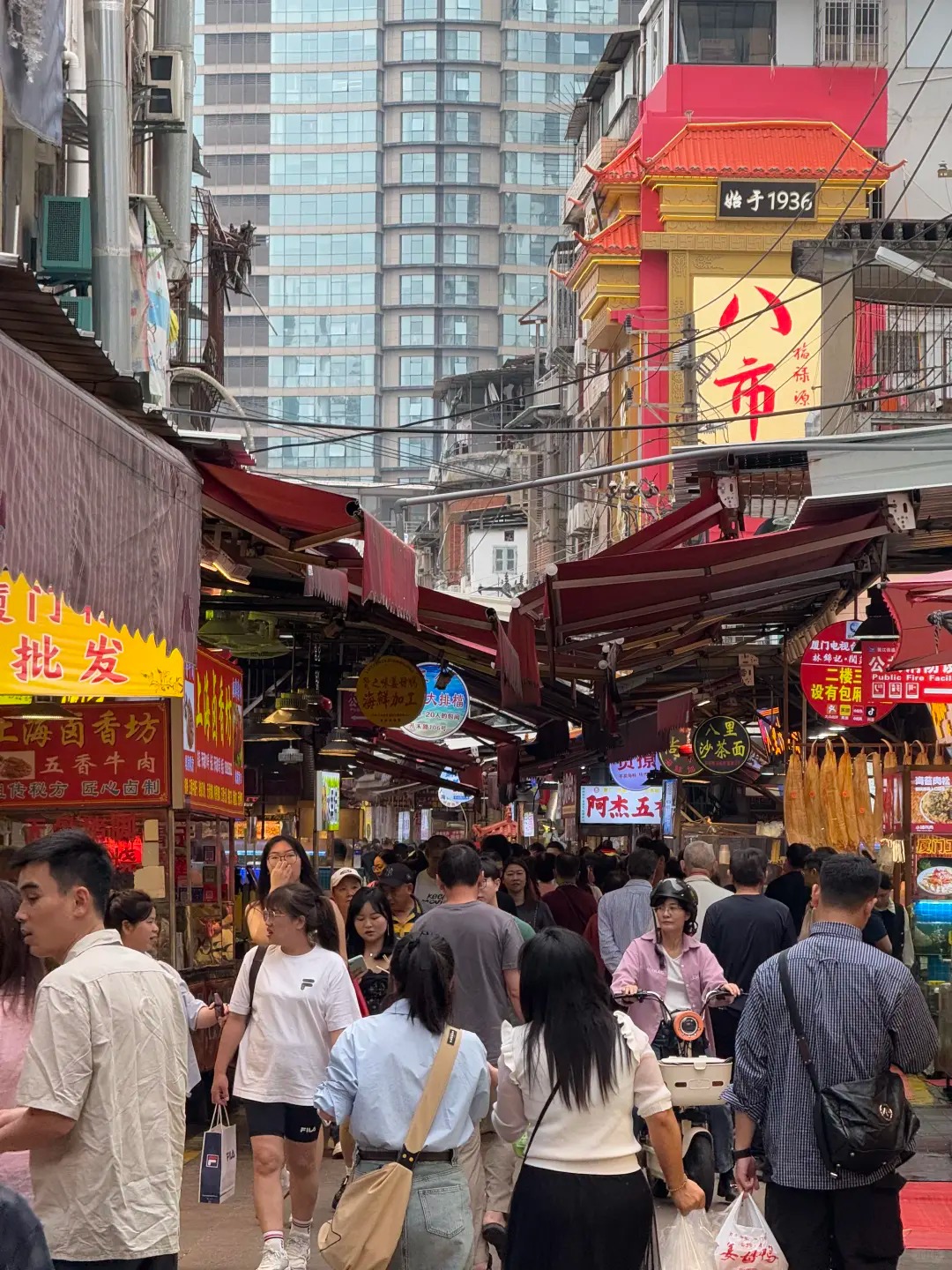
If you ask locals in Xiamen which dish best represents the city’s flavors, many will answer without hesitation: sate noodles. These rich, slightly spicy noodles, loaded with toppings, are the most common street food found throughout Xiamen and a must-try local specialty for tourists. Sate noodles are more than just a dish; they blend Southeast Asian flavors with Minnan traditions and have an interesting history. Below, let’s explore the story behind this bowl of noodles and learn how to enjoy it like a local.
What are Shacha Noodles?
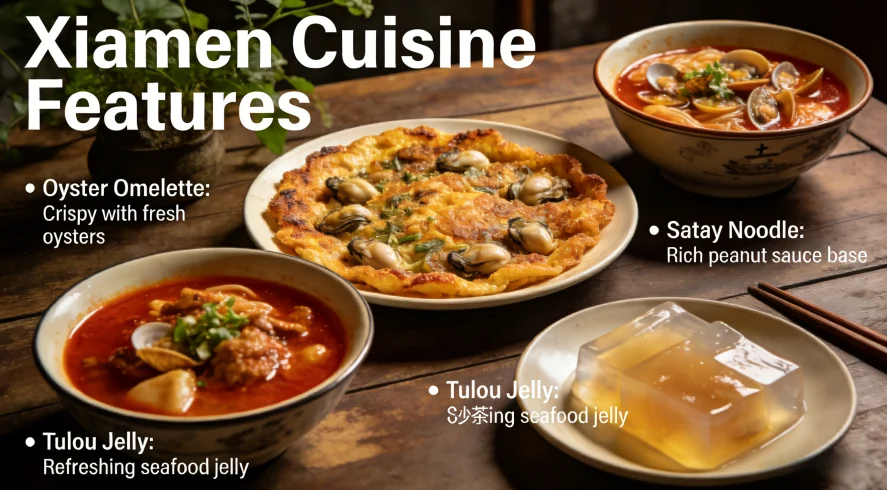
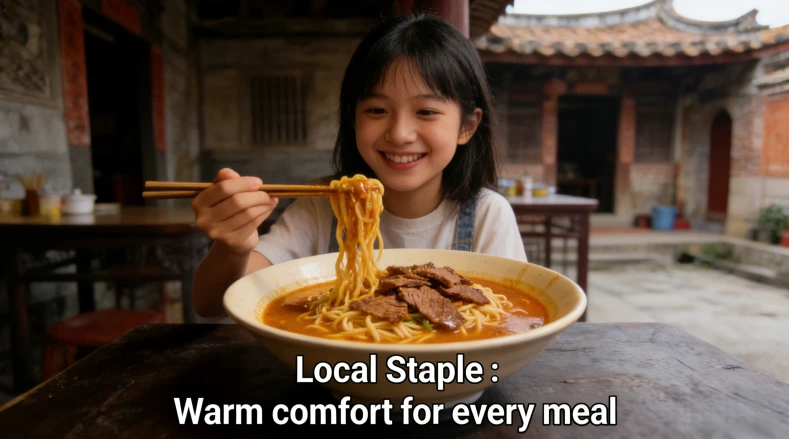
Sate Noodles is a soup noodle dish, and its essence lies in the broth. The broth is simmered using sate sauce, peanut butter, milk (or powdered milk), and a variety of spices (such as dried shrimp, dried fish, and garlic), resulting in an orange-yellow color, a thick consistency, and a rich, slightly sweet, and mildly spicy flavor. The noodles are typically alkaline yellow noodles, which have a chewy texture. Customers can choose from a variety of toppings, including seafood (shrimp, squid, oysters), meat (pork liver, lean pork, pork heart), tofu, duck blood, vegetables, and more. Finally, the piping-hot satay broth is poured over the noodles, and a bowl of aromatic satay noodles is complete.
The term “shatā” in Shatā Noodles derives from the Indonesian word “satay.” Satay is a barbecue sauce made from peanut butter and spices. In the early days, Fujianese people migrated to Southeast Asia in search of livelihood; they brought this flavor back to Xiamen, where it gradually evolved into today’s Shatā Noodles through a fusion with local culinary traditions.
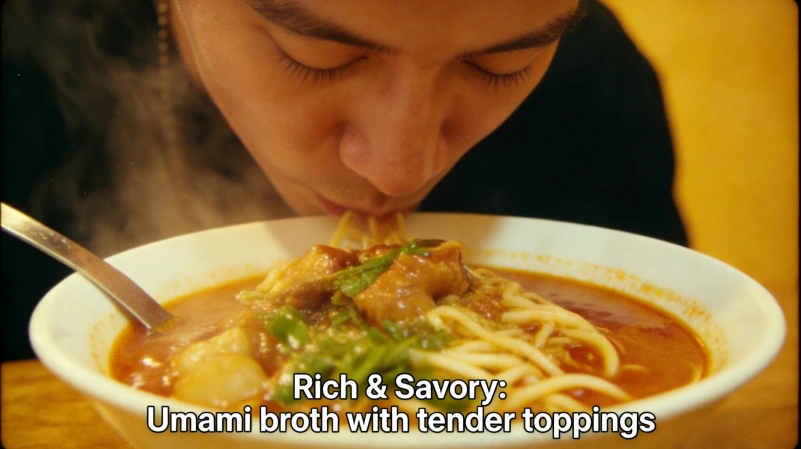
What do Shacha Noodles taste like?
For first-timers, the flavor of Sate Noodles is complex and unique:
Aromatic: The aroma of peanuts and dried shrimp is very rich.
Slightly sweet: The sweetness comes from peanut butter and milk.
Slightly spicy: The chili in the satay sauce provides a mild kick, but it’s mild enough that most foreigners can handle it—it’s not overly spicy.
Savory: The seafood and meat toppings enhance the umami flavor of the entire bowl.
It’s somewhat like a thick, peanut-flavored curry noodle soup, but milder.

How to Order a Bowl of Shacha Noodles?
At Shacha Noodles shops in Xiamen, there’s usually a set procedure for ordering, and once you get the hang of it, it’s very easy:
- Choose your noodles: Most shops serve alkaline yellow noodles by default, but you can also choose rice noodles, instant noodles, or glass noodles.
- Choose your toppings: A variety of raw toppings will be displayed at the counter. Point to the ones you want, and the staff will scoop them out for you. It’s generally recommended to choose 3–5 types. Common toppings include:
Seafood: Fresh shrimp, squid rings, oysters, clams
Meat: Pork liver (the classic choice), lean pork, pork heart, pork kidney, pork intestine
Soy products: Tofu puffs, dried tofu
Others: Duck blood, braised eggs, and vegetables - Payment: The staff will Blanch the toppings, add the noodles, pour the satay broth over them, and then calculate the price based on your selection. A bowl of Shacha Noodles typically costs between 15 and 30 RMB (about $2–$4).
- Add Your Own Toppings: Many shops have a condiment station with minced garlic, cilantro, chili oil, vinegar, and more, which you can add to suit your taste.
Tip: If it’s your first time trying this dish, order the “Classic Combo”: pork liver + lean pork + tofu puffs + greens. The pork liver is tender and smooth, and the tofu puffs soak up the broth, making for a delicious combination.
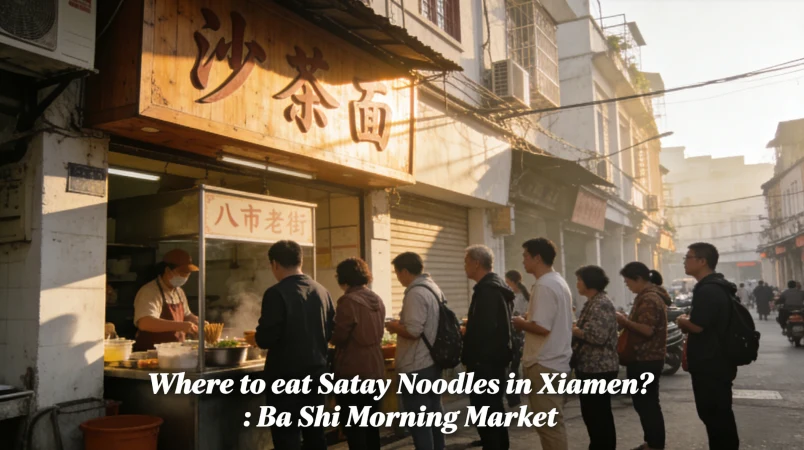
Where can I find delicious Shacha Noodles in Xiamen?
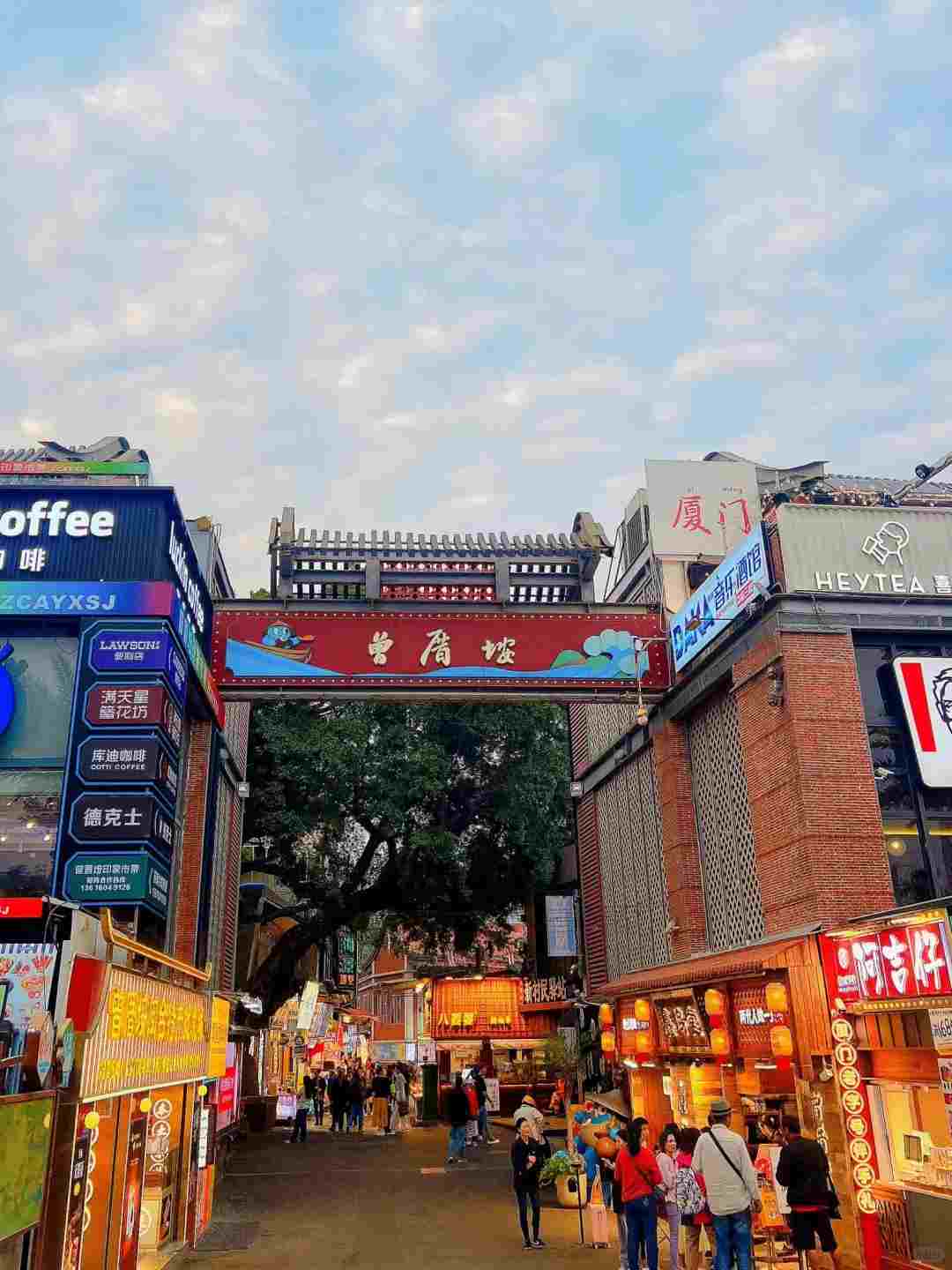
Xiamen has many Shacha Noodles shops, ranging from long-established favorites to trendy spots, each with its own unique charm. Here are some shops recommended by both locals and tourists:
Yuehua Shacha Noodles: A long-standing shop near the ferry terminal, known for its rich broth and affordable prices. Many locals have been eating here since childhood. The downside is that there’s no menu—you’ll need to point to the toppings to order.
Wutang Shacha Noodles: One of the most expensive Shacha Noodles spots in Xiamen, but the ingredients are incredibly fresh, and the broth is exceptionally rich. It’s only open until noon each day and closes once they run out.
Sili Shacha Noodles: Located next to the Hubin Sili Market, this is a favorite among many locals. The broth has a slightly sweet flavor and comes with a generous variety of toppings.
A Jian Shacha Noodles: A chain brand with many branches and consistent quality, making it a great option for tourists to try.
Street Stalls: In fact, many stalls located downstairs in residential areas offer authentic flavors at even lower prices. If you see locals lining up, you can try them with confidence.
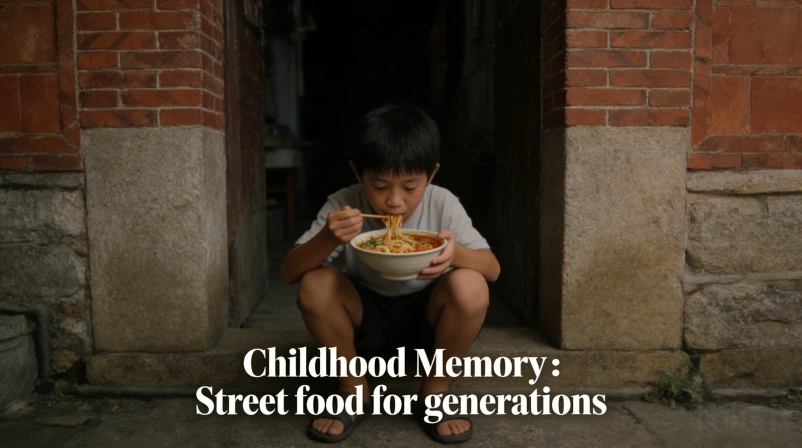
Culture and Fun Facts About Shacha Noodles
Breakfast or Late-Night Snack? People in Xiamen enjoy sate noodles for both breakfast and as a late-night snack. Many sate noodle shops open early in the morning and stay open until the wee hours of the morning.
Drink the Broth: The broth is the essence of Shacha Noodles, and many people drink every last drop. However, since the broth is quite thick and rich, it’s best to enjoy it in moderation on your first try.
Served with Fried Dough Sticks: Some locals like to add a chopped-up fried dough stick to their Shacha Noodles. The dough stick soaks up the broth, creating a truly exceptional texture.
Shacha Sauce: In addition to making noodles, Shacha sauce is often used as a dipping sauce for hot pot and stir-fried dishes. You can buy bottled Shacha sauce at the supermarket to take home.
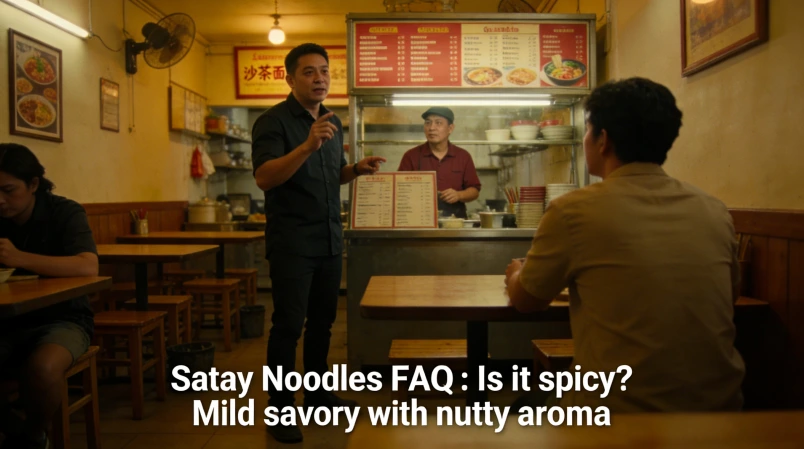
Sacha Noodles FAQ
Q: Are Shacha Noodles spicy? Can children eat them?
A: Shacha Noodles have only a mild spiciness, which most children can tolerate. If you cannot tolerate spicy food at all, you can ask the restaurant to “make it non-spicy,” and they will reduce or omit the chili peppers.
Q: Do Shacha Noodles contain peanut allergens?
A: Yes. The broth contains peanut sauce, so it is not recommended for people with severe peanut allergies.
Q: Is Shacha Noodles a soup noodle or a dry noodle dish?
A: It is a soup noodle dish with plenty of broth. If you prefer a dry version, you can order “Shacha Dry Noodles,” but most restaurants serve it as a soup noodle by default.
Q: How does Xiamen Shacha Noodles differ from Malaysian/Indonesian sate?
A: Sate is typically grilled meat skewers served with a peanut sauce dip. Xiamen Sate Noodles, however, are noodles in a broth made with sate sauce, featuring a milder flavor and incorporating local seafood and noodle elements.
Q: I’m a vegetarian in Xiamen. Are there vegetarian Shacha Noodles available?
A: Some restaurants can provide a vegetarian broth (without meat or seafood), but the traditional satay broth uses dried shrimp and dried fish. You can ask the restaurant in advance if they offer “vegetarian Shacha Noodles.”
Q: How much does a bowl of Shacha Noodles cost? Do I need to tip?
A: Depending on the toppings, a bowl costs about 15–30 RMB. Tipping is not customary in China, so no additional payment is required.
Q: Can I get Shacha Noodles to go or for takeout?
A: Yes. However, the noodles will become soft if left in the broth for too long, so it’s best to eat them as soon as possible. For takeout, some shops will pack the noodles and broth separately.
Q: Do I need to speak Chinese at a Shacha Noodles restaurant?
A: Most staff at traditional restaurants do not speak English. We recommend preparing some basic Chinese phrases in advance, or simply pointing to the ingredients when ordering. You can also use a translation app on your phone.
Related Reading:
- Xiamen Travel Guide 2026: Top 10 Attractions + 3-Day Itinerary
- Xiamen Night Market Guide 2026: Best Food & Top Places to Visit
- Best Places to Eat in Xiamen: 2026 Food Guide & Local Restaurant Tips
- Fujian Travel Guide 2026: Discover Tulou, Wuyishan, Xiamen & More
- Xiamen Attractions: 2026 Guide to Top 10 Must-See Places
- Xiamen Food Recommendations: Top 10 Must-Try Dishes for 2026