Where Is Zhangzhou? 2026 Travel Guide from Xiamen to Tulou & More
Where is Zhangzhou?
If you’re planning a trip to Xiamen, there’s one place well worth a visit—Zhangzhou. Many tourists have heard of Xiamen but don’t realize that Zhangzhou is right next door. In fact, Zhangzhou is a city with a long history, a unique culture, and world-class attractions, and it’s just a short trip from Xiamen. So, where exactly is Zhangzhou? What makes it worth visiting? Here’s a detailed introduction.
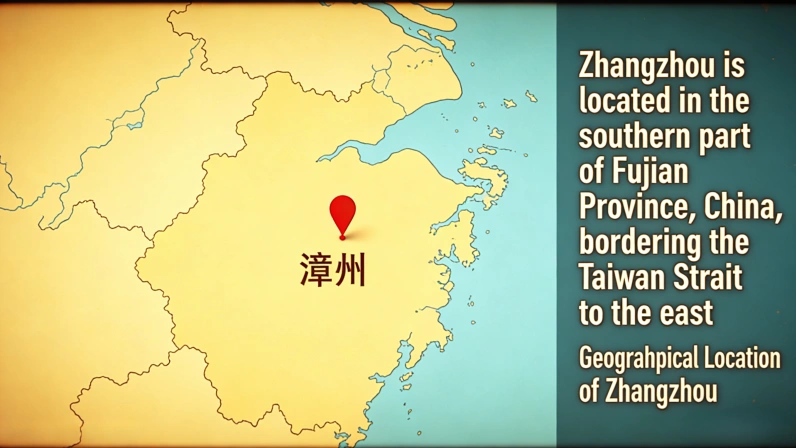
Geographical Location of Zhangzhou
Zhangzhou is located in the southeastern part of Fujian Province, China, within the Southern Fujian region. It is in proximity to Xiamen, with the shortest distance between the two cities being only about 30 kilometers (approximately 18 miles). On the map, Zhangzhou lies to the southwest of Xiamen and serves as a key gateway connecting Xiamen to Guangdong and the inland areas of Fujian.
The administrative area of Zhangzhou City includes the urban districts (Xiangcheng District and Longwen District) as well as several counties and cities, such as Longhai District, Zhangpu County, Yunxiao County, Dongshan County, Zha’an County, Nanjing County, Pinghe County, and Hua’an County. Among these, the Tulou of Nanjing County and Hua’an County are the most famous tourist destinations.
You can think of Zhangzhou as Xiamen’s “neighbor.” Many tourists choose to use Xiamen as a base, spending a day or several days exploring Zhangzhou’s Tulou and coastline—it’s very convenient.

How to Travel from Xiamen to Zhangzhou
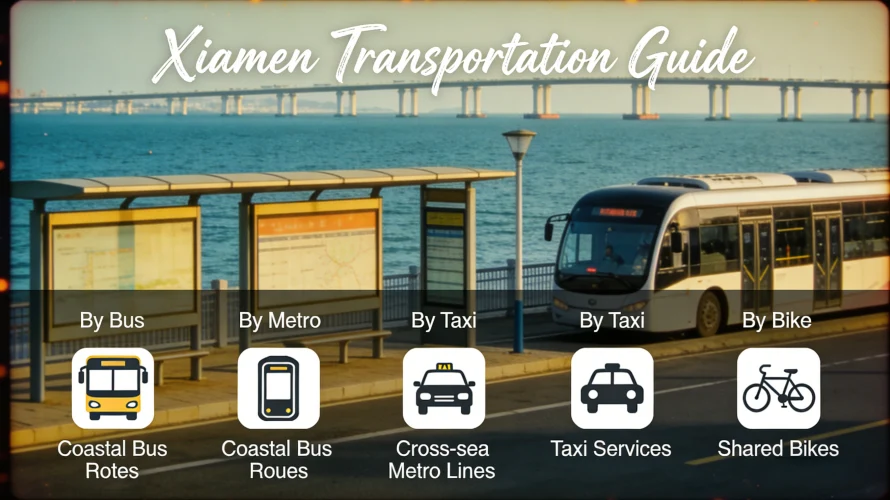
Traveling from Xiamen to Zhangzhou is very convenient, with a variety of transportation options available:
High-speed Rail: Departing from Xiamen North Station or Xiamen Station, the journey to Zhangzhou Station takes only 20–30 minutes, with tickets costing approximately 15–25 RMB. This is the fastest option.
Long-distance Bus: Several bus stations in Xiamen offer regular services to downtown Zhangzhou and its various counties, with a travel time of about 1–1.5 hours.
Driving/Taxi: The drive from downtown Xiamen to downtown Zhangzhou takes about 1 hour; both the Xiamen-Zhangzhou Bridge and the expressway provide convenient routes. If you’re heading to the Tulou scenic area, the drive takes about 2–3 hours.
Ferry: Ferries depart from Xiamen’s Tourist Passenger Terminal to Zhangzhou Port, from where you can transfer to a bus to reach the Zhangzhou Development Zone or downtown Zhangzhou.

Why is Zhangzhou worth visiting?
Many people ask: If I’m already in Xiamen, why should I go to Zhangzhou? The answer is: Zhangzhou has a charm that is completely different from Xiamen’s.

1. Nanjing Tulou: World Cultural Heritage Site
Zhangzhou is best known for its tulou. Tulou are massive rammed-earth structures unique to the mountainous regions of Fujian. They come in circular and square shapes, typically stand 3 to 5 stories tall, and can house anywhere from dozens to hundreds of families. These buildings not only feature a distinctive appearance but also embody China’s traditional culture of clan-based communal living. In 2008, the Fujian Tulou were inscribed on the UNESCO World Heritage List.
Nanjing County is one of the areas with the highest concentration of earthen buildings. Notable attractions include:
Tianshuokeng Earthen Building Cluster: Colloquially known as “Four Dishes and a Soup,” this cluster consists of four circular earthen buildings and one square earthen building. The view from the observation deck is truly spectacular.
Yuchang Lou: Known as the “Leaning Tower,” it features pillars that appear to tilt yet have stood firm for centuries, a truly astonishing sight.
Hegui Lou: Built on marshland, it remains as sturdy as ever.
Huaiyuan Lou: One of the best-preserved double-ring circular earthen towers.
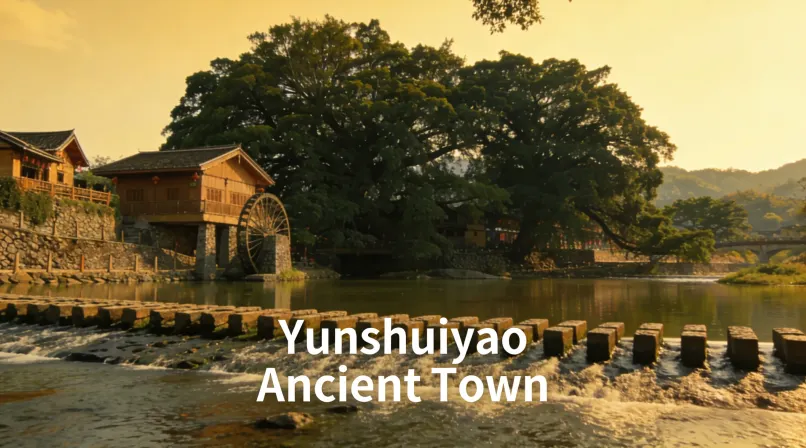
2. Yunshuiyao Ancient Town
Yunshuiyao is an ancient town in Nanjing County that gained fame through the film of the Same Name. It features ancient earthen buildings, babbling streams, massive ancient banyan trees, and cobblestone paths. Compared to the typical earthen building scenic areas, Yunshuiyao feels more like a tranquil countryside, perfect for strolling and taking photos.

3. Dongshan Island: A Beautiful Coastal Destination
If you love beaches, Dongshan Island in Zhangzhou is an excellent choice. As the second-largest island in Fujian Province, Dongshan Island is known as the “Hawaii of China.” It features wide sandy beaches, crystal-clear waters, and unique wind-blown rocks, and served as a filming location for the movie Left Ear. From Xiamen, you can arrange a one- or two-day trip to Dongshan Island.

4. Zhangzhou Old Town and Local Cuisine
In the heart of Zhangzhou lies a well-preserved ancient city—Zhangzhou Old Town. It retains many Ming and Qing dynasty buildings and arcades, with snack shops and handicraft stores lining the cobblestone streets. Zhangzhou is also famous for its cuisine, such as:
Zhangzhou Braised Noodles: Noodles topped with a rich braising broth and served with a variety of toppings.
Hand-torn Noodles: Noodles coated in peanut sauce and sweet-and-spicy sauce, eaten by hand—a fun experience.
Four-Fruit Soup: A refreshing dessert containing mung beans, red beans, taro balls, and grass jelly, perfect for summer.
Tofu Pudding with Glass Noodles: Savory tofu pudding served with glass noodles and braised toppings—a favorite breakfast dish among Zhangzhou locals.

5. Volcano Island Natural Ecological Scenic Area
Located in Zhangpu County, Volcano Island features unique coastal volcanic landforms. With its black volcanic rock, crystal-clear waters, romantic lighthouse, and Instagram-worthy photo spots, it’s the perfect place for photography and relaxation.

The Relationship Between Zhangzhou and Xiamen
Zhangzhou and Xiamen share a very close relationship. Historically, Xiamen was once a small fishing village under the jurisdiction of Zhangzhou Prefecture, but later developed into a major port city. Today, Xiamen is a Special Economic Zone and an international tourist destination, while Zhangzhou has preserved more of its traditional culture and natural scenery.
For travelers, Xiamen and Zhangzhou are a perfect complementary pair. Xiamen is ideal for urban leisure, fine dining, and the romance of Gulangyu Island, while Zhangzhou is perfect for exploring the Tulou, strolling through the countryside, and enjoying natural scenery. Many travelers plan to spend 3–4 days in Xiamen and then set aside 1–2 days for Zhangzhou to make their trip even more enriching.

Zhangzhou Travel FAQ
Q: How far is Zhangzhou from Xiamen?
A: The downtown area of Zhangzhou is approximately 30–40 kilometers from downtown Xiamen. It takes about 20–30 minutes by high-speed rail and about 1 hour by car.
Q: How long does it take to get from Xiamen to the Zhangzhou Tulou?
A: It takes about 2.5–3 hours by car from downtown Xiamen to the Nanjing Tulou Scenic Area. If you take the high-speed rail to Nanjing Station and then transfer to the scenic area shuttle bus, the total journey takes about 2–3 hours. We recommend setting aside a full day for this trip.
Q: Are the Zhangzhou Tulou worth visiting?
A: Absolutely. The Fujian Tulou are a UNESCO World Heritage Site, featuring unique architectural forms and rich cultural significance. For visitors interested in history, architecture, and photography, the Tulou are a must-see.
Q: Do I need a separate visa to visit Zhangzhou?
A: No. Zhangzhou and Xiamen are both part of mainland China, so a standard Chinese visa is sufficient. If you already hold a valid Chinese visa, you can travel directly there.
Q: Is Zhangzhou better for a day trip or an overnight stay?
A: If you’re only visiting downtown Zhangzhou, you can make a day trip from Xiamen. However, if you plan to visit the Tulou (in Nanjing or Hua’an), we recommend staying at least one night, as the distance is considerable and the Tulou scenic areas are quite large—ideal for a leisurely exploration.
Q: What are the accommodation options like in Zhangzhou?
A: There are hotels of various price ranges in downtown Zhangzhou. Near the Tulou scenic areas, there are many guesthouses, many of which are converted from old houses and have a unique charm. Dongshan Island also offers numerous seaside guesthouses.
Q: Can visitors go inside the Tulou in Zhangzhou?
A: Most Tulou are still inhabited, and visitors are allowed to enter the buildings for a tour. Some earthen buildings require an admission ticket, while others allow free entry. We recommend hiring a local guide for a tour to better understand the history and culture of the earthen buildings.
Q: Is Mandarin spoken in Zhangzhou?
A: The main language spoken in Zhangzhou is Min Nan, but most young people and those in the tourism industry can speak Mandarin. English is not as widely spoken as in Xiamen, so we recommend preparing some translation tools or Chinese place names in advance.
Q: What local specialties can I buy in Zhangzhou?
A: Zhangzhou is famous for its narcissus flowers and is considered the birthplace of Chinese narcissus. Additionally, there are teas (such as Baiya Qilan), fruits (such as honey pomelo and lychee), and handicrafts like Tulou models.
Q: When is the best time to visit Zhangzhou?
A: Spring and autumn (March–May and October–December) offer the most comfortable weather, ideal for outdoor activities and touring the Tulou. Summers are hot, but coastal areas like Dongshan Island are great for escaping the heat. Winters are mild, though it can get chilly in the mornings and evenings in the mountainous Tulou areas.
Related Reading:
- Fujian Tulou 2026 Guide: Visiting China’s Hakka Earth Buildings
- Fujian Travel Guide 2026: Discover Tulou, Wuyishan, Xiamen & More
- Xiamen Travel Guide 2026: Top 10 Attractions + 3-Day Itinerary
- Gulangyu Island Travel Guide: Ferry Tickets, Attractions & Tips 2026
- Xiamen Attractions: 2026 Guide to Top 10 Must-See Places
- Xiamen Itinerary: How to Plan 3, 5, and 7 Days in 2026