
Fujian Travel Guide 2026: Discover Tulou, Wuyishan, Xiamen & More
The Ultimate Guide to Traveling in Fujian
Fujian, nestled along China’s southeastern coast, is a land brimming with diversity and surprises. Not only is it the starting point of the Maritime Silk Road, but it also stands as a destination where rich history, unique architecture, breathtaking nature, and exceptional cuisine blend seamlessly. For international travelers, Fujian offers an unparalleled window into China’s maritime culture, tea traditions, and Hakka heritage—yet it remains an overlooked gem on mainstream itineraries.

This guide will take you through the highlights of Fujian, from the world-renowned Tulou to the picturesque Wuyi Mountains, from the artsy and refreshing Xiamen to the historically rich Fuzhou, helping you plan an unforgettable journey through this remarkable region.
Why Choose Fujian?

Unique World Heritage Sites: Explore the UNESCO-recognized Fujian Tulou earthen buildings and Wuyi Mountain.
Maritime Culture and History: Experience the profound heritage of ancient Maritime Silk Road trade routes and the distinctive Mazu faith.
Fragrant Tea Lands: Home to oolong and white teas, famed especially for Wuyi Rock Tea (Da Hong Pao) and Anxi Tieguanyin.
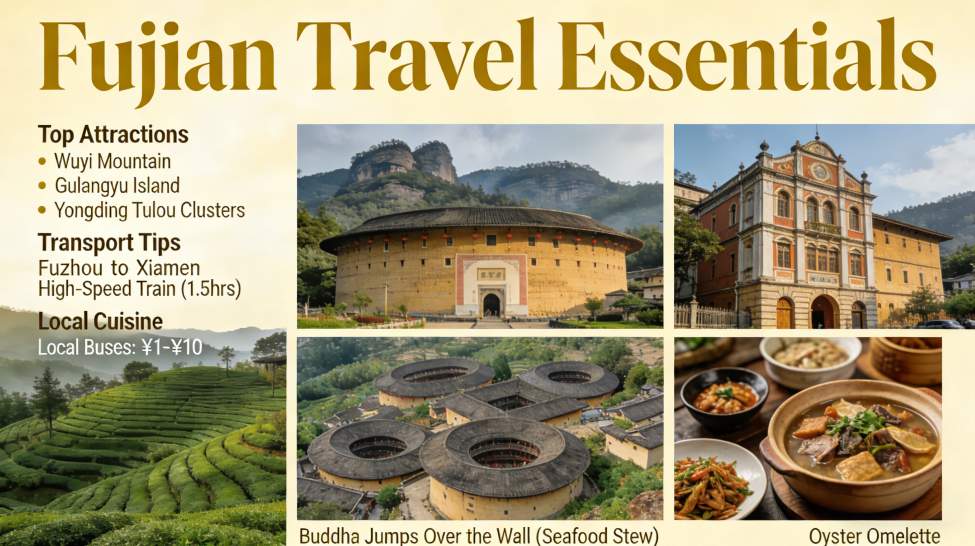
A Culinary Paradise: Savor Fujian cuisine—one of China’s Eight Great Culinary Traditions—renowned for its freshness, richness, and aroma, with Buddha Jumps Over the Wall as its signature dish.
Diverse Landscapes: From expansive coastlines and picturesque islands (like Pingtan and Dongshan) to rolling green mountains and tea plantations.

Fujian’s Top Travel Destinations and Experiences

1. Southern Fujian: Ocean, Culture, and Arts
Core Cities: Xiamen, Quanzhou
Xiamen: Gateway to Fujian tourism.
Must-Sees: World Heritage Site Gulangyu Island (International Architectural Exhibition), Xiamen Botanical Garden (Rainforest and Xerophytic Zones), cycling along Huan Dao Road.
Experience: Savor satay noodles and oyster omelette while soaking in the artistic vibe of Zengcuo’an and Shapowei.
Quanzhou: Ancient “Eastern Sea’s Premier Port,” designated by UNESCO as a “World Maritime Trade Center.”
Must-See: Kaiyuan Temple (with East and West Pagodas), Qingjing Mosque (one of China’s oldest Islamic mosques), Quanzhou Maritime Museum.
Experience: Stroll West Street to witness the harmonious coexistence of multiple religions (Buddhism, Islam, Taoism, etc.) in its historic streetscape.
Nearby Highlights:
Zhangzhou Tulou: Tulou clusters in Nanjing and Yongding (e.g., Tianshuikeng’s “Four Dishes and a Soup” Tulou, Chengqilou), accessible via day trips from Xiamen or Quanzhou.
Meizhou Island: Birthplace of Mazu culture, a pilgrimage center with stunning scenery.

2. Northern Fujian: Landscapes, Tea Culture, and Danxia Wonders
Core City: Wuyishan
Wuyishan: A UNESCO World Heritage Site (both cultural and natural), renowned for its Danxia landforms, Nine Bend Creek, and tea culture.
Must-Do:
Nine Bend Creek bamboo rafting (the highlight)
Climb Tianyou Peak for panoramic views
Visit the Da Hong Pao scenic area to see the mother tree
Stroll along Wuyi Palace Ancient Street
Experiences:
Watch the live-action show “Impression Da Hong Pao.”
Stay at a resort to learn tea appreciation of Wuyi rock teas (e.g., Da Hong Pao, Cassia, Shuixian)

3. Central Fujian: Provincial Capital, Ancient Residences, and Hot Springs
Core City: Fuzhou
Fuzhou: Capital of Fujian Province, known as the “City of Banyan Trees.”
Must-See: Sanfang Qixiang (ancient Ming and Qing dynasty architectural district with clusters of famous residences), Gushan Mountain and Yongquan Temple, Fujian Provincial Museum.
Experience: Savor authentic Fujian cuisine (Buddha Jumps Over the Wall, Chicken Soup with Clams), and immerse yourself in Fuzhou’s unique hot spring culture.

4. Western Fujian: Hakka Culture and Revolutionary History
Core Cities: Longyan, Changting
Core Experiences:
Yongding Tulou: Explore iconic tulou clusters, such as the “King of Tulou,” Chengqi Lou, and the “Prince of Tulou,” Zhencheng Lou, to uncover the history of Hakka settlements and their defensive ingenuity.
Changting Ancient City: Hailed as “one of China’s two most beautiful mountain cities,” it preserves intact Tang-Song dynasty urban layouts and Hakka traditions.
5. Coastal and Island Scenery
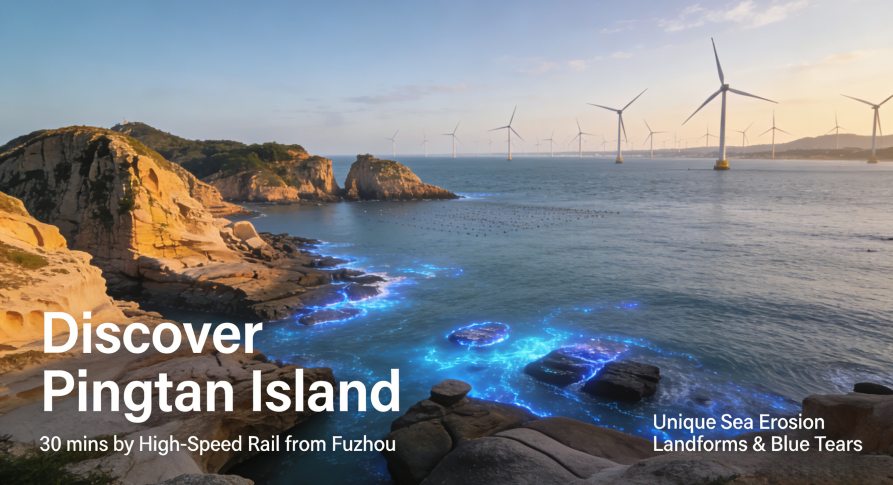
Pingtan Island: About 30 minutes from Fuzhou by high-speed rail, renowned for its unique sea-eroded landscapes, Blue Tears (seasonal bioluminescent algae phenomenon), and vast wind farm fields.
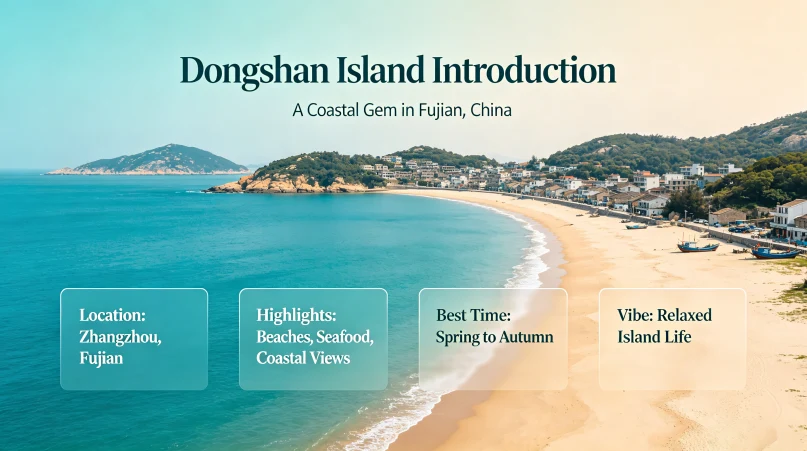
Dongshan Island: Attracts visitors with pristine beaches (Maluan Bay, Jinluan Bay), fresh seafood, and is the filming location for the movie “Left Ear.”

Fujian Travel Classic Itinerary Recommendations
Fujian Highlights 7-10 Day Loop:
- Days 1-3: Xiamen. Arrive and explore Gulangyu Island and Xiamen Island.
- Day 4: Nanjiang/Yongding Tulou Day Trip. Depart from Xiamen for a same-day round trip.
- Day 5: Quanzhou Day Trip. Take the high-speed rail from Xiamen (approx. 30 min) to experience the Song-Yuan dynasty maritime port history.
- Days 6-8: Wuyishan. Take high-speed rail from Quanzhou/Xiamen North Station to Nanping City Station (approx. 2-3 hours) for an immersive experience of landscape, tea, and culture.
- Days 9-10: Fuzhou. Take the high-speed rail from Wuyishan (approximately 1.5 hours) to explore Sanfang Qixiang and enjoy the hot springs, concluding your journey.
In-Depth 5-6 Day Tour of Southern Fujian:
Focusing on Xiamen, Tulou, and Quanzhou, this more leisurely pace suits travelers with limited time.

Must-Try Fujian Cuisine List
Fujian Cuisine Highlights: Buddha Jumps Over the Wall (premium soup), Chicken Broth with Clams, Lychee Meat, Lightly Fermented Rice Wine Sliced Conch.
Xiamen Snacks: Satay Noodles, Oyster Omelette, Bamboo Shoot Jelly, Peanut Soup, Roasted Pork Zongzi.
Fuzhou Specialties: Fish balls, meat dumplings, pot-edge porridge, Buddha Jumps Over the Wall.
Hakka Cuisine: Stuffed tofu, salt-baked chicken, preserved vegetable pork belly.
Tea & Tea Snacks: Wuyi Rock Tea, Anxi Tieguanyin, paired with assorted delicate tea snacks.
Fujian Travel Essentials
Best Time to Visit:
Spring and Autumn (April–May, October–November): Most pleasant climate.
Summer (June–September): Coastal areas are hot and humid with typhoon risks; mountain regions (Wuyishan) remain cooler.
Winter (December–February): Relatively mild, though colder in mountain areas.
Transportation:
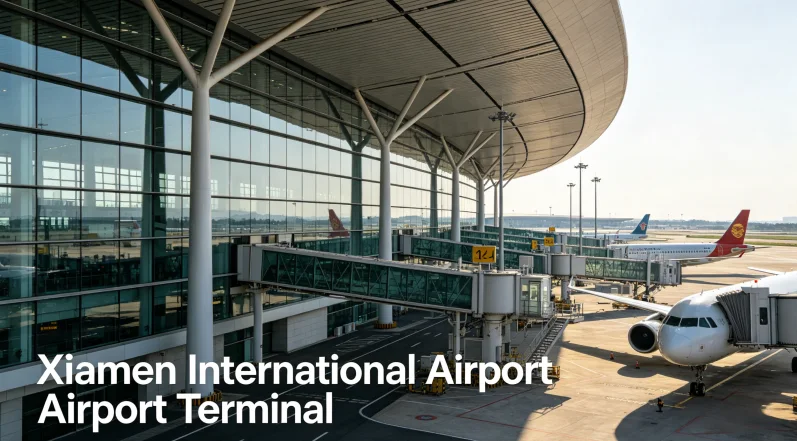
International Arrivals: Primarily via Xiamen Gaoqi International Airport (XMN) or Fuzhou Changle International Airport (FOC).
Intra-Provincial Travel: The high-speed rail network is exceptionally well-developed, connecting all major cities (Xiamen, Fuzhou, Quanzhou, Wuyishan, etc.), making it the most efficient travel option. Within cities, use subways, taxis, and ride-hailing services (Didi Chuxing).
Accommodation Recommendations:
Cities offer diverse options ranging from international chain hotels to unique homestays (e.g., Tulou homestays, Wuyishan tea lodges).
Tips for International Visitors:
- Language: Basic English suffices in major tourist areas, but learning a few Chinese phrases or using translation apps is highly recommended.
- Payment: Mobile payments (Alipay/WeChat Pay) are universally accepted. Carry a small amount of cash for street vendors.
- Cultural Respect: When visiting temples or Tulou dwellings, respect local customs and privacy.
Fujian is a land that demands to be savored with the heart. Unlike Beijing or Xi’an, which carry the weight of imperial history, Fujian whispers its tales of migration, trade, faith, and survival through more delicate, everyday moments—a cup of tea, a tulou, a bowl of hot soup, a stretch of beach.
Whether you seek out World Heritage sites, trace the origins of tea culture, or simply savor the leisurely pace of the coast, Fujian delivers on every expectation. Planning a journey here means embarking on a voyage of discovery that blends natural wonders, architectural marvels, and profound cultural depth.




In Quanzhou, you’ll feel the deep historical atmosphere. Recommended spots include Kaiyuan Temple, West Street, and Aunt Hou’s meat-stuffed rice dumplings.
Fujian dialects are extremely complex (including Min Nan, Min Dong, Hakka, etc.), and you may encounter language barriers when asking for directions outside tourist areas. However, Mandarin is widely understood in tourist destinations. Some long-established snack shops or rural buses may only accept cash, so it’s advisable to carry small change. Weather in mountainous regions (Wuyishan) and coastal areas (Pingtan) is highly variable. Be sure to check the specific weather forecast for your destination before departure, rather than relying solely on forecasts for major cities.
Fujian’s culinary culture exhibits significant regional variations. Southern Fujian (Xiamen, Zhangzhou, Quanzhou) features light, fresh flavors, renowned for seafood, satay-style dishes, diverse soups, and braised pork rice dumplings. Northern Fujian (Wuyishan), influenced by Jiangxi cuisine, tends toward salty and spicy dishes, with Lanju smoked goose as its signature. Allow dedicated time in each city to explore local snacks (e.g., West Street in Quanzhou, Sanfang Qixiang in Fuzhou, and Baishi Market in Xiamen).
This route is a top choice for culture enthusiasts. We recommend using Xiamen as your hub (2 days to soak in its artistic and leisurely vibe), then taking the high-speed rail for a half-hour trip to Quanzhou (2-3 days to deeply explore this World Heritage site known as “half city bustling, half city ethereal”). From there, charter a car or take the high-speed rail to Zhangzhou (1-2 days to visit the Nanjing Tulou or Dongshan Island). This itinerary densely covers coastal scenery, historical sites, and World Heritage architecture.
Travel experiences in Fujian are closely tied to the seasons: Spring (March–May) offers the most pleasant climate, making it ideal for visiting Wuyi Mountain, Tulou earthen buildings, and the ancient city of Quanzhou. Summer (June–August) is hot but perfect for island getaways (Pingtan, Dongshan, and Lushand Island), though typhoons warrant caution. Autumn brings clear skies and crisp air, making it the prime season for tea tasting and scenic appreciation in Wuyi Mountain; Winter remains a favorable travel season in southern Fujian due to its mild climate.
Fujian’s extensive high-speed rail network offers the most efficient way to connect major cities like Fuzhou, Xiamen, Quanzhou, and Wuyishan. However, reaching core attractions such as the Tulou earthen buildings, Pingtan Island, Dongshan Island, and Xiapu tidal flats often requires a final hour-long bus transfer. Therefore, the optimal combination is “high-speed rail + local chartered vehicle/day tour.” For instance, take the bullet train to Nanjing Station and charter a car to tour the Tulou, or arrive at Yunxiao Station and charter a car to explore Dongshan Island—flexible and hassle-free.
Fujian’s top attractions are scattered across the province, making a single trip exhausting. The most sensible approach is to “explore by region.” For first-time visitors, the two most classic combinations are: the “Southern Fujian Cultural Circle” (Xiamen, Quanzhou, Zhangzhou, featuring World Heritage sites, cuisine, and coastlines) and the “Northern Fujian Landscape Circle” (Wuyi Mountain and surrounding areas, highlighting Danxia landforms and tea culture). It’s recommended to focus on one region per trip for an in-depth 5-7 day experience.
Practice Conscious Tourism:The tulou are living communities, not museums. Be respectful when photographing residents’ homes. In Wuyishan, stay on marked trails to protect the fragile ecosystem. Support local artisans by purchasing handmade crafts likeNanyin musical instrumentsin Quanzhou orlace carvingsin Xiamen over mass-produced souvenirs.
Embrace Tea Culture in Wuyishan:Dedicate time to atea plantation visitin the Wuyi Mountains. Many local families offer informal tastings. Learn to distinguish betweenDa Hong Pao,Shui Xian, andRou Gui. Purchasing tea directly from growers is a memorable experience and supports the local economy.
Essential Digital Tools:DownloadAlipayorWeChat Payand link a credit card—cash is rarely needed.Didi(China’s Uber) is essential for taxis. UseTrip.comorCtripfor reliable domestic train and hotel bookings.Google Maps does not work reliably; haveBaidu MapsorAmapinstalled, even with translation limitations.
Seasonal Timing is Key:The ideal travel windows arespring (April-May)for comfortable temperatures and blooming flora, andautumn (September-November)for clear skies. Avoid theplum rain season (late May to June)and the peak summer heat/humidity and typhoon risk.Winter can be chilly and damp, especially in the mountains.
Add Quanzhou as a Day Trip:From Xiamen, a 30-minute high-speed train ride toQuanzhouis highly rewarding. This underrated port city, a UNESCO World Heritage Site, offers the historicKaiyuan Temple, the ancientQingjing Mosque, and the fascinatingMaritime Museum, telling the story of the Maritime Silk Road.
The Food is a Destination Itself:Create a culinary checklist. In Xiamen, trypeanut soupandoyster omeletat local joints. In the tulou region, savorhakka disheslike lei cha (pounded tea) and braised pork with preserved vegetables. Wuyishan is the place for a propertea ceremonysamplingyancha(rock tea).
Xiamen Beyond Gulangyu:While Gulangyu Island is iconic (book ferry tickets online early), don’t missHulishan Fortressfor coastal views andZengcuoanArtisan Village for boutique shops and cafes. For a local experience, walk or cycle thecoastal trailfrom Xiamen University to Huangcuo Beach.
Master Wuyishan Logistics:The must-doJiuxi River Bamboo Rafttickets sell out days in advance. Book your timed entry slot online as soon as your travel dates are confirmed. For hiking, tackle theTianyou Peaktrail at opening time to avoid crowds and afternoon heat. TheImpression Dahongpaonight show is a stunning cultural performance worth booking ahead.
Go Beyond the Tulou Photo Op:To truly appreciate the Fujian tulou, stay overnight inside a converted hakka house in a cluster like Hongkeng or Tianluokeng. The evenings and early mornings, after the tour buses leave, offer a serene and authentic atmosphere. Booking a local guide through your homestay can provide deep cultural context you’d miss otherwise.
Prioritize Your Base:Fly into Xiamen (XMN) for the best international flight options. Use the city as your central hub. The incredibly efficient high-speed rail network connects Xiamen to the tulou clusters (Nanjing/Tingxi) in under 2 hours and to Wuyishan North Station in about 3.5 hours, making day trips or short overnights feasible.
Most Fujian guides treat each destination separately. Here’s the smart route: fly into Xiamen (XMN) , spend 2 days adjusting to the pace. Then take the high-speed train to Nanjing (2 hours) for a tulou overnight – skip the miserable day trip, stay inside a Hakka earth building. Wake up for sunrise over Tianluokeng. Next, train from Longyan to Wuyishan North (3 hours) – book bamboo raft tickets online 3 days ahead. Two days in Wuyishan for hiking and tea tasting. Finally, train back to Xiamen for your flight out. This loop avoids backtracking. For 2026, book tulou homestays one month in advance – the best rooms (with balconies overlooking courtyards) get snapped up. Also, download Alipay for transport QR codes, and pack layers – mountains get cold even in summer. Fujian is three trips in one: coastal, cultural, and mountainous. Plan the connections, and you’ll see it all without rushing.